
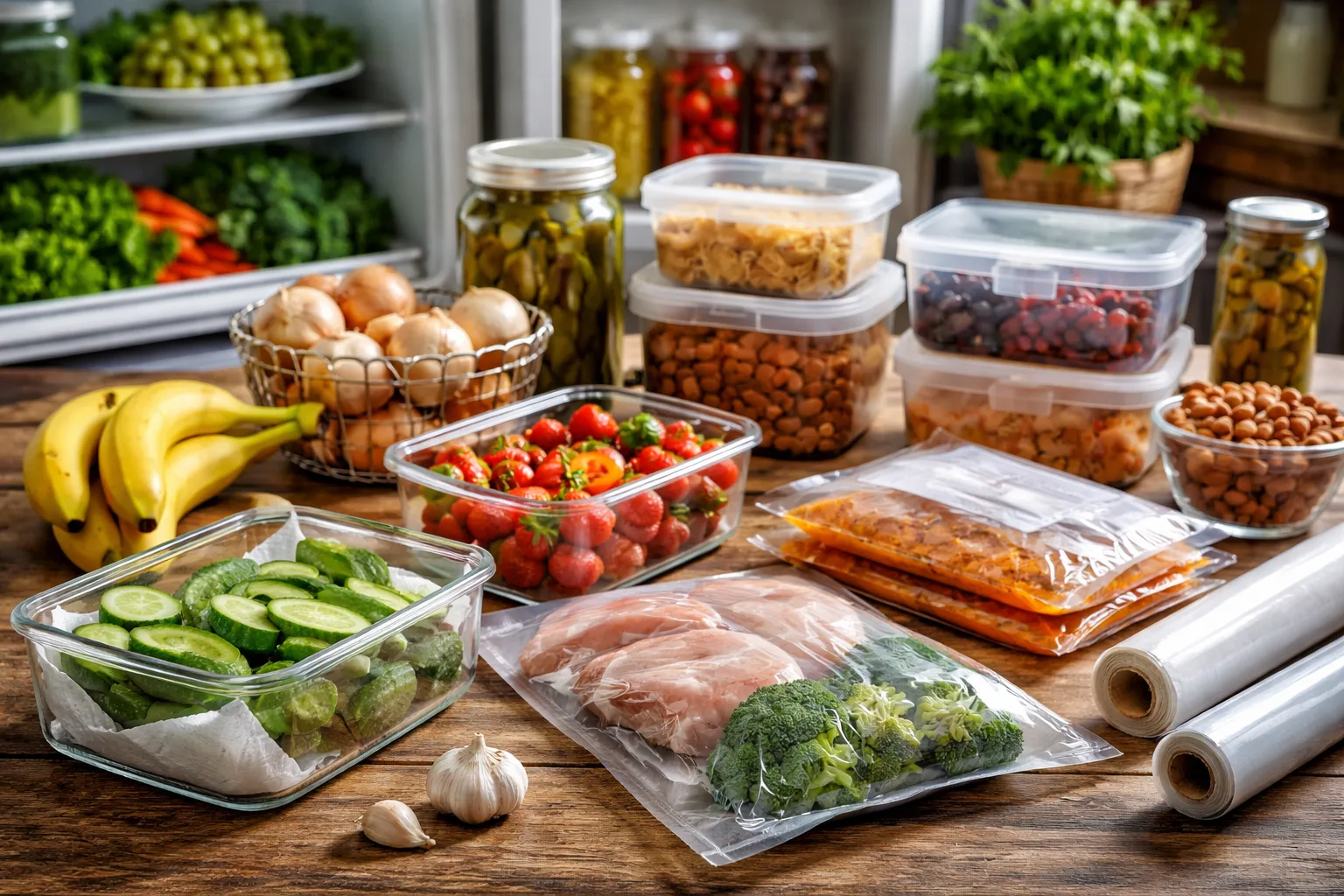
A detailed and easy-to-read guide to the many simple ways people can store food better, reduce waste, and make groceries last longer.
Keeping food fresh longer is one of the best ways to save money, reduce waste, and make daily life easier. Many people throw away food too soon because it spoils quickly, dries out, becomes soggy, or loses flavor. The good news is that there are many ways to help food stay fresh longer. Some methods are simple, like using the refrigerator correctly, while others include freezing, drying, sealing, pickling, and organizing food the right way.
The best method depends on the type of food. Fruits, vegetables, meat, dairy, bread, cooked meals, and dry goods all need different care. In this article, we will go through many effective ways to keep food fresh longer in a practical, helpful, and easy-to-understand way.
Why Food Goes Bad
Before learning how to keep food fresh longer, it helps to understand why food spoils in the first place. Food usually goes bad because of:
- Bacteria and mold that grow over time
- Moisture loss that causes food to dry out
- Too much moisture that leads to rot or sogginess
- Air exposure that causes oxidation and stale flavors
- Warm temperatures that speed up spoilage
- Improper storage that damages texture, flavor, and safety
Most food-storage methods work by controlling one or more of these problems.
1. Refrigeration
One of the most common ways to keep food fresh longer is refrigeration. Cold temperatures slow down the growth of bacteria and help many fresh foods last longer than they would at room temperature.
Refrigeration works best for:
- Milk and dairy products
- Cooked food leftovers
- Fresh meat and fish
- Eggs
- Many fruits and vegetables
- Opened sauces and condiments
To get the most benefit, do not overload the refrigerator. Cold air needs space to move around. Also, try to store foods in the correct areas. Some parts of the refrigerator are colder than others.
2. Freezing
Freezing is one of the best long-term methods for preserving food. It slows spoilage much more than refrigeration and can keep many foods usable for weeks or even months.
Foods that freeze well include:
- Meat and poultry
- Fish
- Bread
- Cooked rice and pasta dishes
- Soups and stews
- Some fruits and vegetables
To freeze food well, place it in freezer-safe bags or containers, remove as much air as possible, and label it with the date. This makes it easier to use older food first.
3. Airtight Containers
Air exposure can make food stale, dry, or spoiled faster. Using airtight containers helps keep moisture in when needed and keeps outside air out. This is especially useful for:
- Cooked leftovers
- Cut fruits and vegetables
- Dry goods like flour, sugar, and rice
- Snacks like crackers or cereal
Good containers also help reduce spills, odors, and cross-contamination in the refrigerator.
4. Vacuum Sealing
Vacuum sealing removes much of the air around food. Since oxygen helps spoilage happen faster, reducing air can help many foods last longer.
Vacuum sealing is useful for:
- Fresh meat
- Cheese
- Coffee beans
- Nuts
- Frozen foods
This method can also help prevent freezer burn, which often happens when frozen foods are exposed to air.
5. Proper Dry Storage
Not all foods belong in the refrigerator. Some foods stay fresh longer in a cool, dry, dark place. This is called dry storage.
Foods that often do well in dry storage include:
- Onions
- Garlic
- Potatoes
- Dry beans
- Pasta
- Rice
- Canned goods
Keep these foods away from heat, sunlight, and moisture. Heat and humidity can shorten their shelf life.
6. Drying or Dehydrating
Drying is one of the oldest food-preservation methods. It works by removing moisture, which bacteria and mold need in order to grow.
Foods that can be dried include:
- Fruit slices
- Herbs
- Some vegetables
- Meat, when made into jerky safely
Once dried, foods should be stored in sealed containers in a cool place. Drying can be done with a food dehydrator, an oven on low heat, or sometimes air-drying, depending on the food.
7. Pickling
Pickling helps food last longer by using vinegar, salt, or brine. This changes the environment around the food and makes it harder for spoilage organisms to grow.
Foods commonly pickled include:
- Cucumbers
- Carrots
- Onions
- Peppers
- Cabbage
Pickling also adds strong flavor, so it is both a storage method and a way to create tasty foods.
8. Fermentation
Fermentation is another traditional method of helping some foods last longer. It uses beneficial microorganisms to transform food and support preservation.
Fermented foods include:
- Yogurt
- Kimchi
- Sauerkraut
- Kefir
- Some pickled vegetables
Fermentation can improve shelf life, create unique flavors, and sometimes support digestion, depending on the food.
9. Canning
Canning is a method of preserving food in sealed jars or containers using heat. This can make foods last a very long time when done properly.
Canning is often used for:
- Fruits
- Jams and jellies
- Tomato products
- Some vegetables
- Soups and sauces
Because canning needs careful handling for food safety, it is important to use proper methods and clean equipment.
10. Storing Foods Separately
Some foods give off gases that make other foods ripen and spoil faster. For example, certain fruits can speed up the ripening of nearby produce. Keeping some foods separate can help them last longer.
For example:
- Keep some fruits away from leafy vegetables
- Store onions away from potatoes
- Separate raw meat from ready-to-eat food
Good separation improves freshness and also helps food safety.
11. Using Paper Towels or Moisture Control
Some foods spoil faster because too much moisture builds up around them. A simple way to help is to use paper towels in storage containers to absorb extra moisture.
This often helps with:
- Leafy greens
- Lettuce
- Berries
- Fresh herbs
Moisture control can make a big difference for delicate produce.
12. Keeping Food Whole Until Needed
Whole fruits and vegetables usually last longer than cut ones. Once food is cut, peeled, or chopped, it becomes more exposed to air, moisture loss, and bacteria.
When possible, keep foods whole until you are ready to cook or eat them. This simple habit can extend freshness naturally.
13. Cooling Cooked Food Properly
Cooked food should not sit out too long. Letting it stay warm for a long time can allow bacteria to grow faster. After cooking, foods should be cooled and stored properly.
Helpful habits include:
- Put leftovers away soon after eating
- Use shallow containers so food cools faster
- Label leftovers with the date
This keeps cooked meals safer and fresher.
14. Rotating Food and Using Older Items First
One of the easiest ways to keep food from going to waste is good organization. Place older items in front and newer items behind them. This is often called “first in, first out.”
This method works well for:
- Refrigerator items
- Frozen meals
- Pantry goods
- Canned foods
Good rotation helps you use foods while they are still fresh.
15. Buying in Smart Amounts
Sometimes the best way to keep food fresh longer is to avoid buying more than you can use in time. Buying too much fresh food at once often leads to spoilage.
A smart approach is to:
- Plan meals before shopping
- Buy smaller amounts of delicate produce
- Choose frozen versions when needed
- Use foods with shorter shelf life first
This is not exactly a storage method, but it is one of the most practical ways to reduce food waste.
So, How Many Ways Are There?
There is not just one answer. There are many ways to keep food fresh longer, and each method works best for certain types of food. Some of the most useful methods include:
- Refrigeration
- Freezing
- Airtight storage
- Vacuum sealing
- Dry storage
- Drying or dehydrating
- Pickling
- Fermentation
- Canning
- Moisture control
- Food separation
- Proper organization
The real key is matching the right method to the right food.
Helpful Everyday Tips
- Check your refrigerator and pantry often
- Store food in clean containers
- Label foods with dates
- Freeze extra food before it spoils
- Do not wash some produce until you are ready to use it
- Keep raw and cooked foods separate
- Use meal planning to avoid overbuying
Conclusion
Keeping food fresh longer is not just about one trick. It is about using the right combination of methods. Refrigeration, freezing, airtight storage, drying, pickling, fermentation, and smart kitchen habits can all help food last longer. When you understand what makes food spoil and how each storage method works, it becomes much easier to protect your groceries, save money, and reduce waste.
Even small changes, like using better containers or freezing leftovers sooner, can make a big difference over time. The more carefully food is handled and stored, the longer it can stay fresh, safe, and enjoyable to eat.