
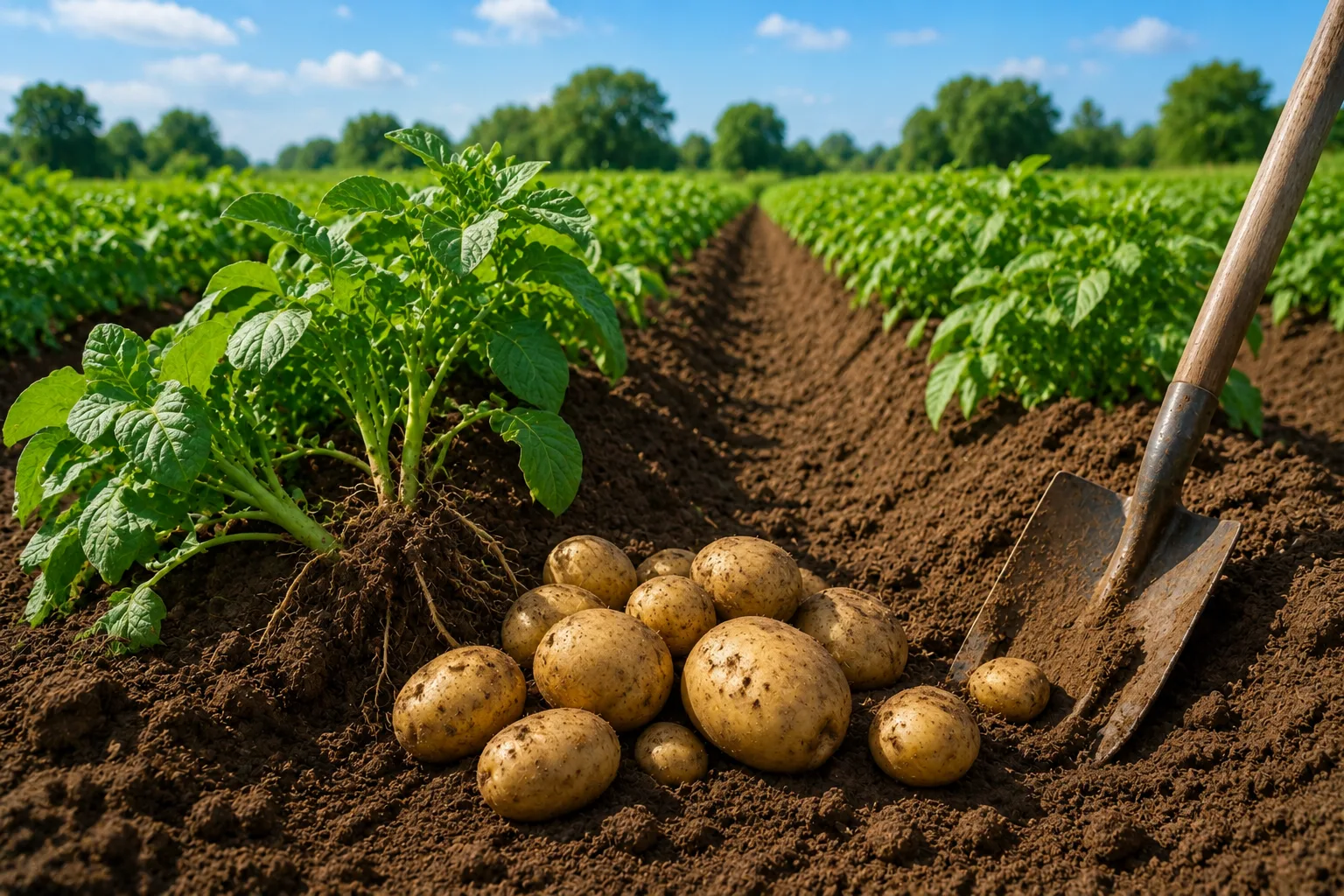
A detailed, informative, helpful, and easy-to-read guide to growing healthy potatoes from planting to harvest.
Potatoes are one of the most useful and popular food crops in the world. They can be grown in gardens, farms, raised beds, containers, and even grow bags. With proper planting and care, potatoes can produce a good harvest from a relatively small space.
Growing potatoes successfully starts with good seed potatoes, loose fertile soil, proper spacing, steady moisture, hilling, weed control, pest management, and harvesting at the right time. Potatoes are not difficult to grow, but they do need the right conditions to produce healthy tubers.
1. Choose Good Seed Potatoes
Potatoes are usually grown from “seed potatoes,” which are small potato tubers or pieces of tubers used for planting. They are not true seeds like many other crops. Good seed potatoes are important because poor-quality planting material can lead to weak plants, disease, and low yield.
Good seed potatoes should be:
- Firm and healthy
- Free from rot or mold
- Free from deep cuts or major damage
- Certified disease-free when possible
- Suited to your local climate and growing season
Avoid planting potatoes from the grocery store if possible. Some store potatoes may be treated to reduce sprouting, and they may carry disease. Certified seed potatoes are usually a safer choice.
2. Understand Potato Types
Different potato varieties are better for different uses. Choosing the right type helps you get the texture and harvest you want.
- Early potatoes: Mature faster and are good for fresh eating.
- Maincrop potatoes: Take longer to grow but usually produce larger harvests.
- Waxy potatoes: Hold their shape well and are good for boiling or salads.
- Starchy potatoes: Good for baking, frying, and mashed potatoes.
- All-purpose potatoes: Useful for many cooking methods.
3. Prepare the Soil
Potatoes grow best in loose, well-drained soil. Heavy, compacted, or waterlogged soil can cause poor tuber development, rot, and misshapen potatoes.
Good soil preparation includes:
- Loosening the soil deeply
- Removing rocks and large clumps
- Adding compost or well-rotted organic matter
- Improving drainage if water collects
- Keeping the soil slightly acidic to neutral, depending on local recommendations
Avoid using fresh manure directly before planting because it may encourage disease problems or uneven growth. Well-rotted compost is usually safer.
4. Plant at the Right Time
Potatoes are commonly planted in cool weather after the soil can be worked and the danger of hard frost is reduced. They prefer cool growing conditions, especially during early growth.
Planting too early in cold, wet soil can cause seed potatoes to rot. Planting too late in hot weather can reduce tuber formation and yield. The best planting time depends on your local climate and variety.
5. Cut Seed Potatoes Correctly
Small seed potatoes can often be planted whole. Larger seed potatoes may be cut into pieces. Each piece should have at least one or two healthy “eyes,” which are the small buds where sprouts grow.
Helpful cutting tips:
- Use a clean knife
- Make sure each piece has healthy eyes
- Do not cut pieces too small
- Let cut pieces dry or heal for a short time before planting if recommended locally
Letting cut surfaces dry slightly can help reduce the risk of rot after planting.
6. Plant at the Proper Depth and Spacing
Proper spacing gives potato plants enough room to grow and produce tubers. If plants are too close, tubers may be smaller. If they are too far apart, space may be wasted.
General planting guidelines:
- Plant seed potatoes several inches deep in loose soil
- Place seed pieces with the eyes facing upward when possible
- Leave enough space between plants for tuber development
- Leave enough space between rows for hilling and maintenance
Exact spacing can vary depending on variety, farming system, and local recommendations.
7. Hill the Potatoes
Hilling means pulling soil up around the base of potato plants as they grow. This is one of the most important potato-growing practices.
Hilling helps:
- Cover developing tubers
- Prevent potatoes from turning green
- Support the plant
- Reduce weed pressure
- Create more loose soil for tubers to grow
Green potatoes can contain higher levels of natural toxins and should not be eaten. Keep tubers covered with soil or mulch so they are not exposed to sunlight.
8. Water Consistently
Potatoes need steady moisture, especially when tubers are forming. Irregular watering can lead to small potatoes, cracks, or uneven growth.
Good watering practices include:
- Keep soil evenly moist but not waterlogged
- Water deeply rather than only wetting the surface
- Avoid letting plants dry out during tuber formation
- Improve drainage if the soil stays too wet
- Reduce watering as plants naturally begin to die back before harvest
9. Control Weeds
Weeds compete with potatoes for water, nutrients, and sunlight. Early weed control is important because young potato plants can be affected by competition.
Weed control methods include:
- Removing weeds before planting
- Hand weeding carefully
- Using mulch
- Hilling soil around plants
- Avoiding deep digging near roots and tubers
Be gentle when weeding because potato roots and tubers can be close to the surface.
10. Fertilize Properly
Potatoes need nutrients for strong growth and tuber production. Balanced fertilizer is helpful, but too much nitrogen can produce too many leaves and fewer potatoes.
Good fertilizer practices include:
- Use compost or well-rotted organic matter to improve soil
- Follow soil test recommendations when available
- Avoid overusing nitrogen
- Use balanced nutrients for root and tuber development
- Apply fertilizer carefully so it does not burn seed pieces
11. Watch for Pests
Potatoes can be affected by several pests. Regular checking helps prevent small problems from becoming large ones.
Common potato pests may include:
- Colorado potato beetles
- Aphids
- Flea beetles
- Wireworms
- Cutworms
- Rodents or other animals
Good pest control includes crop rotation, field cleanliness, checking leaves often, removing pests early, encouraging beneficial insects, and using safe pest-control methods when needed.
12. Watch for Potato Diseases
Potato diseases can reduce yield and quality. Some diseases spread through infected seed potatoes, wet conditions, poor air movement, or contaminated soil.
Warning signs include:
- Yellowing or wilting leaves
- Dark spots on leaves
- Rotting stems
- Soft or rotten tubers
- White mold-like growth
- Plants dying suddenly
Helpful prevention practices include:
- Use certified seed potatoes when possible
- Rotate crops and avoid planting potatoes in the same spot every year
- Avoid overhead watering when disease pressure is high
- Improve air movement between plants
- Remove diseased plant material carefully
13. Grow Potatoes in Containers or Bags
Potatoes can also be grown in containers, buckets, grow bags, or large pots. This is useful for people with limited garden space.
Container tips:
- Use a container with drainage holes
- Use loose, rich growing mix
- Plant seed potatoes near the bottom
- Add more soil as plants grow
- Water regularly because containers dry faster
- Harvest by gently emptying the container when plants mature
14. When to Harvest Potatoes
Harvest time depends on whether you want small “new potatoes” or mature storage potatoes.
New Potatoes
New potatoes are harvested early while the plants are still green and flowering. They are tender and good for fresh eating, but they do not store as long.
Mature Potatoes
Mature potatoes are harvested after the plant tops yellow and die back. They usually have thicker skins and store better.
When harvesting, dig carefully to avoid cutting or bruising the tubers.
15. Cure and Store Potatoes Properly
Mature potatoes should be cured before long-term storage. Curing helps toughen the skin and improve storage life.
Storage tips:
- Let potatoes dry briefly after harvest, away from direct sun
- Do not wash potatoes before long-term storage
- Store in a cool, dark, well-ventilated place
- Remove damaged or rotten potatoes
- Keep potatoes away from light to prevent greening
- Check stored potatoes regularly
Common Mistakes to Avoid
- Planting diseased or rotten seed potatoes
- Using compacted or poorly drained soil
- Planting too early in cold, wet soil
- Not hilling the plants
- Letting tubers get exposed to sunlight
- Overwatering or allowing waterlogging
- Using too much nitrogen fertilizer
- Harvesting roughly and damaging tubers
- Storing potatoes in bright or warm places
Helpful Potato Planting Routine
- Choose healthy seed potatoes
- Prepare loose, fertile, well-drained soil
- Plant at the right time for your climate
- Use proper spacing and depth
- Hill plants as they grow
- Keep soil evenly moist
- Control weeds early
- Watch for pests and diseases
- Harvest carefully at the right stage
- Store mature potatoes in a cool, dark place
Conclusion
Planting potatoes properly begins with healthy seed potatoes, loose soil, correct timing, proper spacing, regular hilling, consistent watering, and careful pest and disease management. Potatoes can grow well in fields, gardens, raised beds, containers, and bags when they receive the right care.
With good preparation and regular attention, potato plants can produce a useful and satisfying harvest. Whether you are growing for family food or farm production, careful planting and management are the keys to healthy potatoes and better yield.