
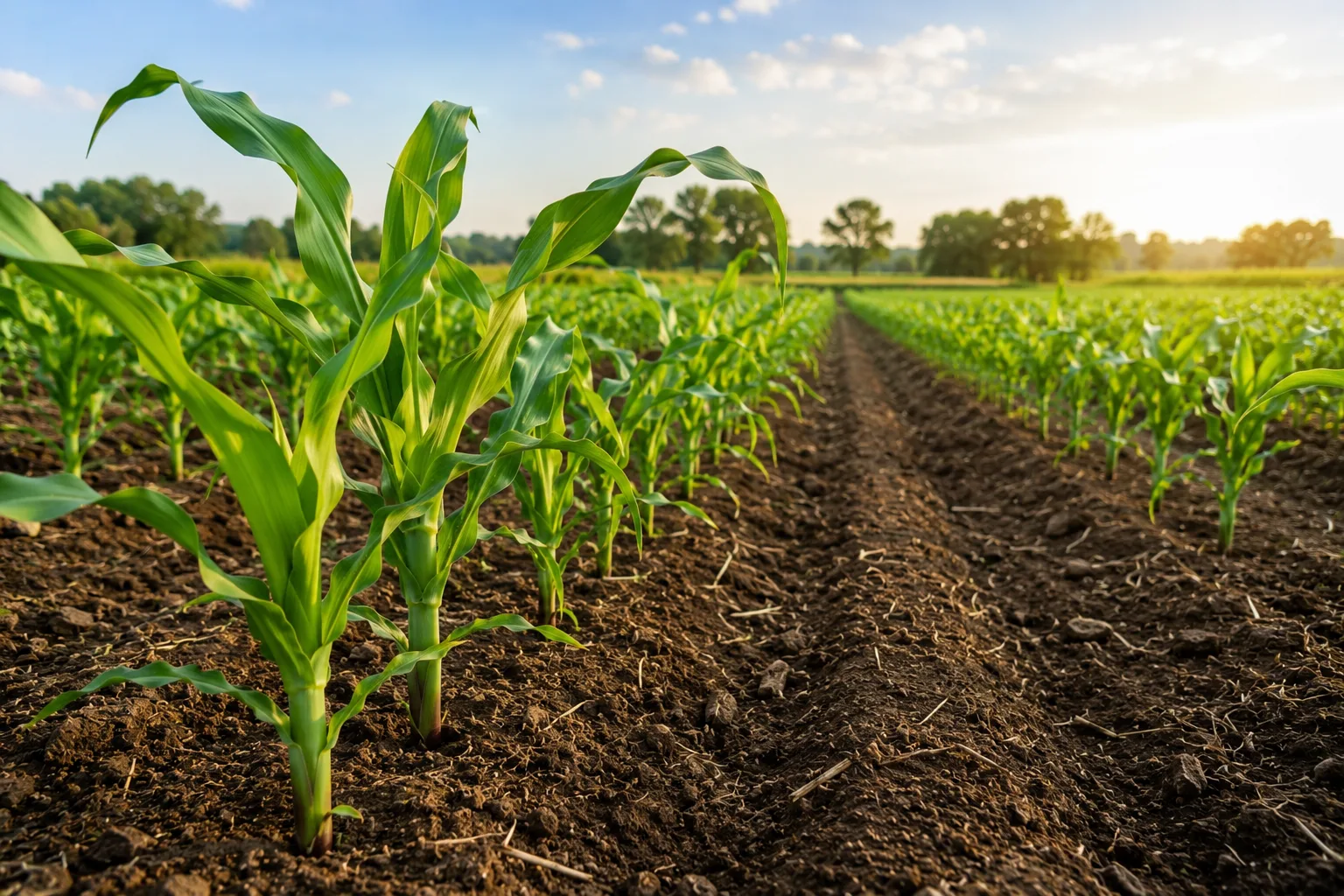
A detailed, informative, helpful, and easy-to-read guide to growing healthy corn from seed to harvest.
Corn is one of the most important crops in the world. It is grown for food, animal feed, cooking oil, flour, snacks, and many other uses. Planting corn properly is important because good planting practices can improve germination, plant strength, ear development, and final yield.
A successful corn crop starts before the seed goes into the ground. Farmers and gardeners need to prepare the soil, choose good seed, plant at the right time, use correct spacing, manage water, control weeds, protect plants from pests, and harvest at the right stage.
1. Choose the Right Corn Variety
Different corn varieties are grown for different purposes. Choosing the right type helps you get better results.
- Sweet corn: Grown for fresh eating, boiling, grilling, and freezing.
- Field corn: Usually grown for animal feed, flour, cornmeal, and industrial uses.
- Popcorn: Grown specifically for popping.
- Flint corn: Hard kernels, often used for decoration, flour, or traditional foods.
- Silage corn: Grown as feed for livestock.
Select a variety that matches your climate, soil, growing season, and purpose. If possible, choose seed that is known to perform well in your local area.
2. Plant at the Right Time
Corn grows best in warm conditions. Planting too early in cold soil can cause poor germination, weak seedlings, or seed rot. Planting too late can reduce yield if the crop does not have enough time to mature.
In general, corn should be planted after the danger of frost has passed and the soil has warmed enough for good seed germination. Local planting dates can vary depending on region, elevation, weather, and corn variety.
For home gardens, many people plant corn in spring when the weather becomes consistently warm.
3. Prepare the Soil
Corn grows best in fertile, well-drained soil with good structure. Soil preparation helps roots grow deeply and allows young plants to establish quickly.
Good soil preparation includes:
- Removing weeds and old plant residue
- Loosening compacted soil
- Adding compost or organic matter if needed
- Leveling the planting area
- Improving drainage where water collects
- Testing soil if possible
Corn is a heavy feeder, meaning it needs plenty of nutrients. Healthy soil is one of the most important parts of a productive corn crop.
4. Understand Corn Spacing
Proper spacing helps corn plants get enough sunlight, nutrients, water, and airflow. If corn is planted too close, plants compete heavily and may produce small ears. If planted too far apart, the field or garden space may not be used efficiently.
For many home gardens, corn is often planted in rows with enough space between plants and rows for root growth, airflow, and easy maintenance. Farmers may use specific spacing based on equipment, variety, and local recommendations.
Good spacing helps:
- Improve ear size
- Reduce competition between plants
- Improve pollination
- Make weeding easier
- Improve air movement
5. Plant Corn in Blocks, Not Just One Long Row
Corn is pollinated by wind. The pollen from the tassels must reach the silks on the ears. If corn is planted in only one long row, pollination may be poor and ears may have missing kernels.
For gardens, it is usually better to plant corn in short blocks of several rows instead of one single long row. This improves the chance that pollen reaches the silks and produces fuller ears.
6. Plant Seeds at the Right Depth
Planting depth affects germination and seedling strength. If seeds are planted too shallow, they may dry out or be eaten by birds. If planted too deep, seedlings may struggle to reach the surface.
The right depth depends on soil moisture, soil type, and weather. In general, corn seed should be planted deep enough to stay moist but not so deep that emergence becomes difficult.
After planting, gently cover the seeds and firm the soil lightly to improve seed-to-soil contact.
7. Water Properly
Corn needs consistent moisture, especially during germination, tasseling, silking, and ear development. Water stress during these important stages can reduce yield and ear quality.
Good watering practices include:
- Keep soil moist after planting until seeds germinate
- Water deeply instead of only wetting the surface
- Avoid letting plants wilt during hot weather
- Use mulch in gardens to help keep moisture in the soil
- Avoid waterlogging, because roots need oxygen too
Corn roots can grow deeply, so deep watering is usually better than frequent shallow watering.
8. Fertilize Correctly
Corn needs nutrients to grow tall, produce strong stalks, and develop full ears. Nitrogen is especially important for corn, but phosphorus, potassium, and other nutrients also matter.
Good fertilizer practices include:
- Use compost or organic matter to improve soil health
- Use soil testing if available
- Apply fertilizer based on soil needs
- Avoid applying too much fertilizer at once
- Side-dress nitrogen when plants are growing actively, if needed
- Water after fertilizing to help nutrients move into the soil
Too little fertilizer can cause weak growth and low yield. Too much fertilizer can waste money and may harm the environment.
9. Control Weeds Early
Weeds compete with corn for water, sunlight, nutrients, and space. Early weed control is especially important because young corn plants can be easily outcompeted.
Weed control methods include:
- Removing weeds before planting
- Hand weeding in small gardens
- Using mulch where practical
- Shallow cultivation between rows
- Using safe herbicide practices when appropriate for larger farms
Be careful when cultivating because corn roots can be near the soil surface. Deep digging close to plants may damage roots.
10. Watch for Pests
Corn can be affected by insects, birds, rodents, and other pests. Regular checking helps catch problems early.
Common corn pests may include:
- Cutworms
- Armyworms
- Corn earworms
- Aphids
- Birds
- Rodents
Pest management may include field cleaning, crop rotation, monitoring, natural predators, physical barriers, and safe pest-control products when needed.
11. Watch for Diseases
Corn diseases can reduce plant health and yield. Some diseases are more common in wet, humid, or poorly ventilated growing conditions.
Warning signs include:
- Yellowing leaves
- Brown or gray spots on leaves
- Rotting stalks or ears
- Weak stalks that fall over
- Moldy kernels
- Uneven or stunted growth
Good disease prevention includes crop rotation, proper spacing, resistant varieties when available, balanced fertilizer, and removing diseased plant material when needed.
12. Support Good Pollination
Pollination is one of the most important stages in corn production. The tassel produces pollen, and the silks receive it. Each silk connects to a potential kernel. Poor pollination can cause ears with missing kernels.
Ways to support pollination include:
- Plant corn in blocks instead of one single row
- Keep plants healthy during tasseling and silking
- Water consistently during flowering
- Avoid planting different corn types too close if you want to preserve quality
- Plant enough corn plants for good pollen movement
13. Harvest at the Right Time
Harvest timing depends on the type of corn.
Sweet Corn
Sweet corn is usually harvested when the ears are full, the silks have turned brown, and the kernels release a milky liquid when pressed. Harvesting too early can give small kernels, while harvesting too late can make the corn tough and less sweet.
Dry Corn, Popcorn, or Field Corn
Dry corn is usually left on the plant longer until kernels harden and moisture decreases. After harvest, it may need further drying before storage.
14. Store Corn Properly
Fresh sweet corn tastes best soon after harvest because sweetness can decrease over time. If not eaten right away, keep it cool.
Storage tips:
- Eat sweet corn as fresh as possible
- Refrigerate sweet corn after harvest
- Dry field corn properly before long-term storage
- Protect stored corn from moisture, insects, and rodents
Common Mistakes to Avoid
- Planting corn too early in cold soil
- Using poor-quality seed
- Planting only one long row
- Planting too close together
- Not controlling weeds early
- Letting plants dry out during tasseling and silking
- Ignoring pests and diseases
- Harvesting sweet corn too late
Helpful Corn Planting Routine
- Choose the right variety for your purpose
- Prepare fertile and well-drained soil
- Plant when soil and weather are warm
- Use proper spacing and plant in blocks
- Water consistently during important growth stages
- Control weeds while plants are young
- Check regularly for pests and diseases
- Harvest at the correct stage for your corn type
Conclusion
Planting corn properly requires good planning and consistent care. The most important steps include choosing the right variety, preparing healthy soil, planting at the right time, using proper spacing, watering well, controlling weeds, supporting pollination, and harvesting at the right stage.
Whether you are growing corn in a small garden or a larger field, careful planting and good management can lead to stronger plants, fuller ears, and a better harvest.