
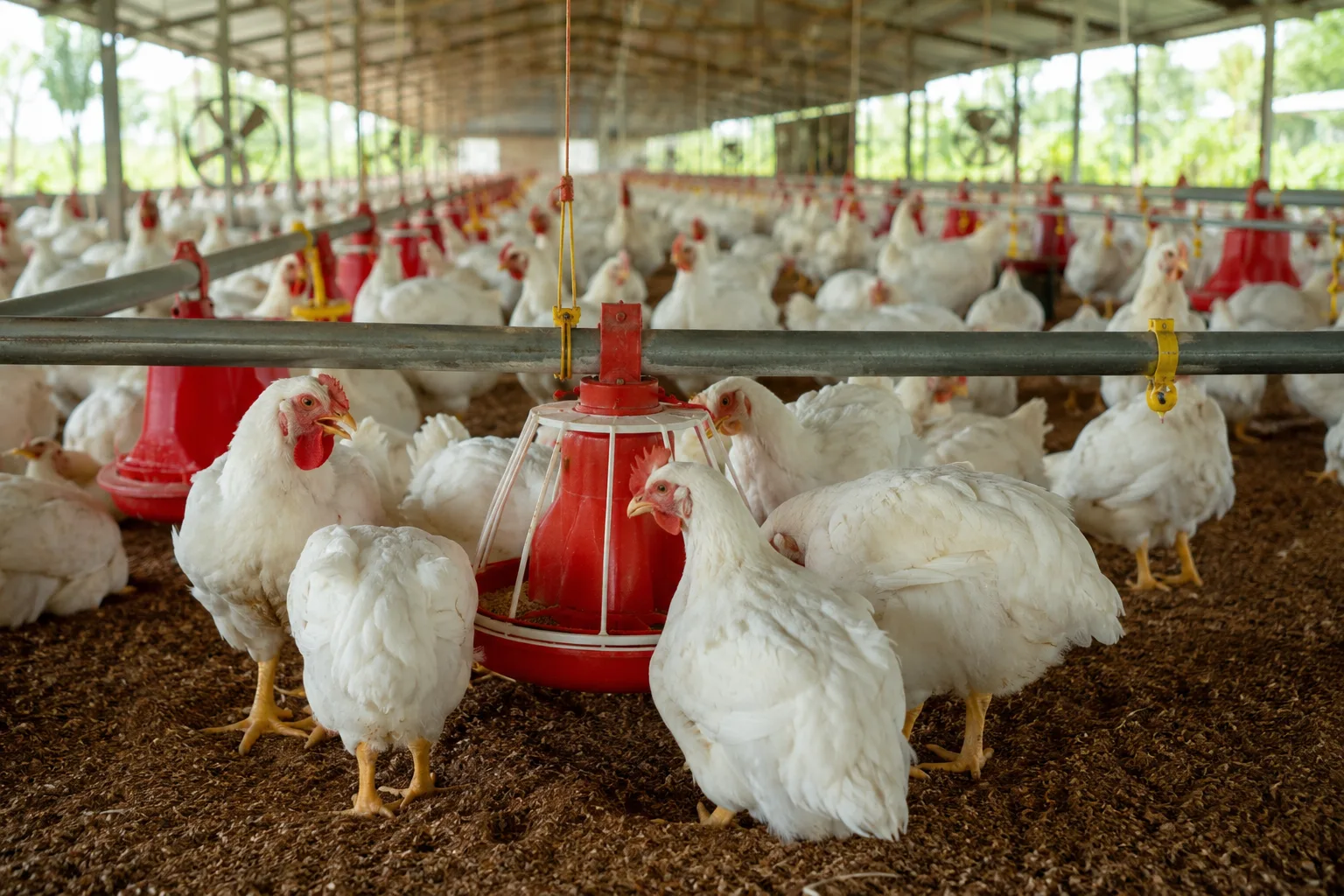
A detailed, informative, helpful, and easy-to-read guide for raising healthy chickens and managing a productive poultry farm.
Chicken farming can be a valuable source of food, income, and business opportunity. Chickens can provide meat, eggs, manure for fertilizer, and steady farm activity when managed properly. However, successful chicken farming requires more than simply buying chicks and feeding them. Good management is important for bird health, growth, egg production, hygiene, disease prevention, and profit.
Whether you are raising chickens in a small backyard, a family farm, or a larger poultry business, the basic principles are similar: provide clean housing, proper feed, fresh water, good ventilation, disease control, and careful daily observation.
1. Choose the Right Type of Chicken Farming
Before starting, decide what your chicken farm is mainly for. Different goals require different breeds, housing, feeding plans, and management methods.
- Layer farming: Raising chickens mainly for egg production.
- Broiler farming: Raising chickens mainly for meat production.
- Dual-purpose farming: Raising chickens for both eggs and meat.
- Backyard farming: Small-scale chicken keeping for home use.
- Breeding farming: Raising parent birds to produce chicks.
A clear goal helps you choose the right birds and avoid wasting money on the wrong setup.
2. Select Healthy Chicks or Birds
Good chicken farming starts with healthy birds. Buying weak or sick chicks can lead to poor growth, high death rates, and disease problems.
When choosing chicks, look for:
- Bright, alert behavior
- Clean eyes and nostrils
- Dry, fluffy feathers
- Strong legs
- No signs of diarrhea
- Active movement
- Good size and uniform appearance
Buy chicks from a trusted hatchery or supplier when possible. Healthy chicks give the farm a stronger beginning.
3. Provide Proper Housing
Chickens need a safe, clean, and comfortable house. A good poultry house protects birds from rain, heat, cold, predators, theft, and disease.
A good chicken house should have:
- Enough space for the number of birds
- Good airflow and ventilation
- Protection from extreme weather
- Dry flooring
- Clean bedding or litter
- Easy access for feeding, watering, and cleaning
- Protection from rats, snakes, dogs, cats, and wild birds
Overcrowding should be avoided because it can increase stress, fighting, poor growth, dirty litter, and disease spread.
4. Keep the House Well Ventilated
Ventilation is one of the most important parts of poultry housing. Chickens need fresh air to stay healthy. Poor ventilation can cause ammonia buildup, bad odor, breathing problems, heat stress, and poor performance.
Good ventilation helps:
- Remove moisture
- Reduce bad smells
- Control heat
- Improve air quality
- Lower the risk of respiratory disease
The house should allow fresh air to enter without creating strong cold drafts directly on the birds.
5. Maintain Clean and Dry Bedding
Bedding, also called litter, helps absorb moisture and keeps birds comfortable. Common bedding materials include wood shavings, rice husks, straw, or other dry plant materials.
Good litter management includes:
- Keeping bedding dry
- Removing wet spots quickly
- Turning litter regularly when needed
- Replacing dirty bedding
- Avoiding moldy materials
Wet and dirty litter can cause foot problems, bad smell, flies, and disease.
6. Give Clean Water Every Day
Water is just as important as feed. Chickens need clean, fresh water every day for digestion, growth, egg production, and body temperature control.
Good water practices include:
- Provide enough drinkers for all birds
- Clean drinkers daily
- Keep water cool and fresh
- Prevent bedding from entering the water
- Check water more often during hot weather
Dirty water can spread disease quickly, so water containers should be cleaned often.
7. Feed Chickens Properly
Good feed is necessary for healthy birds, strong growth, good egg production, and good meat quality. Chickens need balanced nutrition that includes protein, energy, vitamins, minerals, and clean water.
Feed depends on the bird’s age and purpose:
- Starter feed: For young chicks to support early growth.
- Grower feed: For growing birds after the starter stage.
- Layer feed: For egg-laying hens, usually higher in calcium.
- Broiler feed: For meat birds, designed for fast and healthy growth.
Avoid feeding spoiled, moldy, or contaminated feed. Poor-quality feed can cause sickness, slow growth, low egg production, and financial loss.
8. Practice Good Biosecurity
Biosecurity means protecting chickens from disease. This is one of the most important practices in poultry farming. Disease can spread through people, shoes, equipment, wild birds, rodents, new chickens, dirty water, and contaminated feed.
Basic biosecurity practices include:
- Limit visitors to the chicken area
- Wash hands before and after handling birds
- Use dedicated farm shoes or boots
- Clean and disinfect equipment
- Keep wild birds away from feed and water
- Control rats and insects
- Quarantine new birds before mixing them with the flock
- Separate sick birds immediately
9. Watch for Signs of Sickness
Daily observation helps farmers catch problems early. A sick chicken may look different from the rest of the flock.
Warning signs include:
- Loss of appetite
- Weakness or tired appearance
- Coughing, sneezing, or noisy breathing
- Swollen eyes or face
- Diarrhea
- Drooping wings
- Sudden drop in egg production
- Lameness or difficulty walking
- Unusual deaths
If many birds become sick or die suddenly, contact a veterinarian or local agricultural extension office quickly.
10. Follow a Vaccination and Health Plan
Some poultry diseases can be prevented or reduced through vaccination and good health planning. The correct vaccination schedule depends on the region, bird type, disease risk, and local veterinary guidance.
Farmers should ask a veterinarian, hatchery, or agricultural advisor about common poultry diseases in their area and what prevention plan is recommended.
11. Manage Temperature Carefully
Young chicks need warmth because they cannot control body temperature well. If chicks are too cold, they may crowd together and become weak. If they are too hot, they may move away from the heat source and pant.
Signs of temperature problems:
- Too cold: Chicks crowd under the heat source and chirp loudly.
- Too hot: Chicks move far from heat, pant, and spread out.
- Comfortable: Chicks spread evenly and behave calmly.
Adult chickens also need protection from extreme heat and cold. Shade, airflow, and enough water are especially important during hot weather.
12. Provide Enough Space for Feeders and Drinkers
If there are not enough feeders and drinkers, weaker birds may not get enough food or water. This causes uneven growth, stress, and poor performance.
Place feeders and drinkers where birds can reach them easily. Keep them clean and positioned to reduce spilling.
13. Collect Eggs Properly
For layer farms, proper egg handling is important. Clean, unbroken eggs are more valuable and safer to use.
Good egg practices include:
- Provide clean nesting boxes
- Collect eggs at least once or twice daily
- Remove broken eggs quickly
- Store eggs in a cool, clean place
- Keep dirty eggs separate
- Handle eggs gently to avoid cracks
14. Keep Good Farm Records
Records help farmers understand whether the farm is profitable and healthy. Good records also help identify problems early.
Useful records include:
- Number of chicks purchased
- Feed used each week
- Deaths or sick birds
- Egg production numbers
- Medicine or vaccine use
- Sales and expenses
- Weight gain for broilers
Without records, it is difficult to know if the farm is improving or losing money.
15. Manage Waste Properly
Chicken manure and waste must be managed carefully. Poor waste management can cause bad smell, flies, disease, and complaints from neighbors.
Good waste practices include:
- Remove dead birds safely and quickly
- Keep manure away from water sources
- Compost manure properly when possible
- Clean around the chicken house regularly
- Control flies and rodents
Properly composted chicken manure can become useful fertilizer, but it should be handled safely.
Common Mistakes to Avoid
- Overcrowding birds
- Using dirty water containers
- Feeding poor-quality or moldy feed
- Ignoring sick birds
- Mixing new birds without quarantine
- Poor ventilation
- Wet and dirty litter
- No farm records
- Not protecting chickens from predators
Helpful Daily Chicken Farm Routine
- Check all birds for signs of sickness or injury
- Provide clean water
- Feed birds at the correct time
- Clean drinkers and remove wet litter
- Collect eggs if raising layers
- Check house temperature and ventilation
- Remove dead birds immediately if any are found
- Record feed use, egg numbers, sickness, or deaths
Conclusion
Good chicken farming practices are based on clean housing, proper feeding, fresh water, strong biosecurity, disease prevention, good ventilation, and careful daily management. Healthy chickens are more productive, grow better, lay better eggs, and create better results for the farmer.
Chicken farming can be successful when it is managed with patience and discipline. By observing the birds daily, keeping the environment clean, following health advice, and maintaining good records, farmers can build a stronger and more profitable poultry operation.