
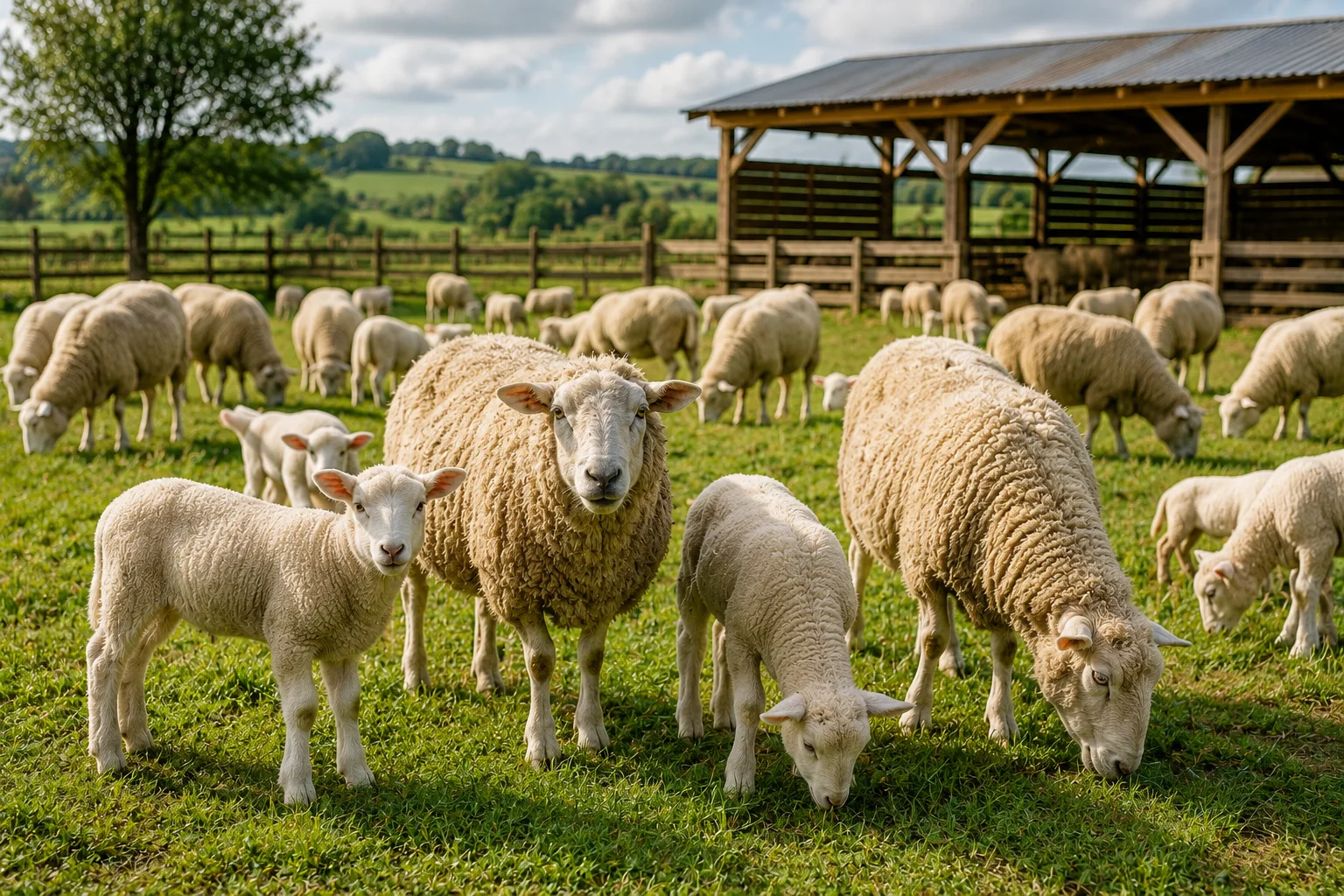
A detailed, informative, helpful, and easy-to-read guide to raising healthy sheep and managing a productive sheep farm.
Sheep farming can be a valuable agricultural activity for meat, milk, wool, breeding stock, manure, and land management. Sheep are useful animals because they can graze on pasture, adapt to many environments, and provide several farm products. However, successful sheep farming requires more than simply keeping animals in a field.
Good sheep farming depends on proper breed selection, clean housing, good pasture, balanced feeding, fresh water, disease prevention, parasite control, careful breeding, lamb care, and daily observation. With good management, sheep can stay healthier, grow better, reproduce more successfully, and provide better income for the farmer.
1. Decide the Main Purpose of the Sheep Farm
Before starting, decide why you want to raise sheep. The purpose affects the breed, housing, feeding, breeding plan, marketing, and farm management.
- Meat production: Raising lambs or sheep mainly for meat.
- Wool production: Raising sheep for fleece quality and fiber value.
- Milk production: Raising dairy sheep for milk, cheese, or yogurt.
- Breeding stock: Producing quality animals for other farmers.
- Land management: Using sheep to graze grass, weeds, or cover crops.
A clear goal helps you choose the right animals and avoid wasting money on the wrong setup.
2. Choose the Right Sheep Breed
Different sheep breeds have different strengths. Some are better for meat, some for wool, some for milk, and some for harsh climates. Choose a breed that fits your environment and farm goal.
When choosing a breed, consider:
- Climate tolerance
- Meat, wool, or milk purpose
- Growth rate
- Fertility and lambing ability
- Disease and parasite resistance
- Feed availability
- Market demand
- Local farming experience
Local breeds or breeds already proven in your region are often easier to manage than unfamiliar breeds.
3. Start With Healthy Animals
Healthy sheep give the farm a stronger beginning. Buying sick, weak, or poorly managed animals can lead to disease, low productivity, and financial loss.
Healthy sheep usually have:
- Bright eyes
- Good body condition
- Clean nose and mouth
- Normal walking and posture
- Healthy coat or fleece
- Good appetite
- No diarrhea or heavy coughing
- No visible wounds, swelling, or severe lameness
Buy from trusted farms when possible. Ask about vaccination history, deworming, age, breeding history, and health records.
4. Provide Safe and Comfortable Housing
Sheep need shelter from extreme weather, predators, and stressful conditions. Housing does not always need to be expensive, but it must be clean, dry, safe, and well ventilated.
A good sheep shelter should provide:
- Protection from rain, wind, heat, and cold
- Dry bedding or flooring
- Good airflow without strong drafts
- Enough space for all animals
- Safe fencing and gates
- Easy access for feeding, watering, and cleaning
- Separate areas for sick sheep, lambing, or quarantine
Wet, crowded, and dirty housing can increase disease, foot problems, parasites, and stress.
5. Use Strong and Safe Fencing
Good fencing keeps sheep inside and helps protect them from predators. Sheep can escape through weak fences, especially if they are hungry, frightened, or looking for better pasture.
Good fencing should:
- Be strong enough for sheep pressure
- Have no sharp edges that can injure animals
- Prevent lambs from slipping through
- Protect against dogs and predators when possible
- Be checked regularly for damage
Gates should close securely and be easy for the farmer to use during feeding, moving, and health checks.
6. Manage Pasture Properly
Pasture is a major food source for many sheep farms. Good pasture management helps sheep get nutrition while also protecting the land.
Good pasture practices include:
- Avoid overgrazing
- Rotate sheep between grazing areas
- Allow grass time to regrow
- Remove poisonous plants when possible
- Provide shade in hot weather
- Keep pasture clean and well drained
- Separate young lambs from heavily contaminated pasture when needed
Rotational grazing can help improve pasture quality and reduce parasite pressure.
7. Feed Sheep a Balanced Diet
Sheep need proper nutrition for growth, reproduction, wool production, milk production, and immune health. Their diet usually includes pasture, hay, minerals, and sometimes grain or concentrate feed.
Common sheep feeds include:
- Fresh pasture
- Good-quality hay
- Silage, where suitable
- Grain or concentrate feed when needed
- Mineral supplements made for sheep
- Clean water
Feeding should match the animal’s age and stage. Pregnant ewes, nursing ewes, growing lambs, and breeding rams may need different nutrition.
8. Provide Clean Water Every Day
Sheep need fresh, clean water daily. Water supports digestion, body temperature, milk production, and overall health.
Good water practices include:
- Keep water containers clean
- Provide enough water points for the flock
- Check water more often in hot weather
- Prevent mud and manure from entering water
- Make sure lambs can reach water safely
Dirty water can spread disease and reduce feed intake.
9. Use Sheep-Safe Minerals
Minerals are important, but sheep are sensitive to copper. Some mineral mixes made for goats, cattle, or horses may contain too much copper for sheep.
Always use mineral supplements specifically labeled for sheep unless a veterinarian or livestock nutrition expert advises otherwise. Proper minerals can support growth, reproduction, wool quality, and immune function.
10. Control Parasites
Internal parasites, especially worms, are one of the biggest health problems in sheep farming. Parasites can cause weight loss, anemia, diarrhea, weakness, bottle jaw, poor growth, and death.
Good parasite management includes:
- Rotational grazing
- Avoiding overstocking
- Keeping bedding dry
- Checking sheep body condition
- Monitoring eyelid color for anemia where appropriate
- Using dewormers responsibly
- Working with a veterinarian for a parasite control plan
Deworming too often or incorrectly can lead to drug-resistant parasites, so treatment should be planned carefully.
11. Watch for Signs of Sickness
Daily observation is one of the best tools in sheep farming. Sheep often hide illness until they are seriously sick, so farmers should learn normal flock behavior.
Warning signs include:
- Not eating
- Standing alone away from the flock
- Lameness or limping
- Coughing or difficult breathing
- Diarrhea
- Swollen jaw or face
- Weight loss
- Weakness or lying down too much
- Abnormal discharge from eyes, nose, or mouth
Sick animals should be separated and checked quickly. Contact a veterinarian if symptoms are serious, spreading, or unclear.
12. Maintain Hoof Care
Sheep hooves need regular attention. Overgrown hooves, wet ground, and poor hygiene can lead to lameness and foot disease.
Good hoof care includes:
- Checking hooves regularly
- Trimming hooves when needed
- Keeping housing and yards dry
- Separating lame sheep for treatment
- Using foot baths if recommended locally
Lameness reduces feeding, breeding, growth, and animal welfare.
13. Plan Breeding Carefully
Good breeding management improves lamb survival, flock quality, and farm profit. Rams and ewes should be healthy and in good condition before breeding.
Breeding practices include:
- Use healthy rams with good body condition
- Breed ewes at the right age and size
- Avoid breeding weak or sick animals
- Keep breeding records
- Provide good nutrition before and during pregnancy
- Prepare a clean lambing area before due dates
A strong ram is important because one ram may breed several ewes. Poor ram health can reduce lamb numbers.
14. Care for Pregnant Ewes
Pregnant ewes need good nutrition, calm handling, and regular observation. Poor care during pregnancy can lead to weak lambs, difficult births, or poor milk production.
Good pregnant ewe care includes:
- Provide enough feed, especially late in pregnancy
- Keep clean water available
- Avoid rough handling
- Watch for ewes that stop eating or act weak
- Prepare a clean, dry lambing space
- Follow recommended vaccination plans before lambing if advised
15. Care for Newborn Lambs
Lamb care is very important during the first hours and days after birth. Newborn lambs need warmth, colostrum, and protection from sickness.
Important lamb care steps include:
- Make sure the lamb is breathing well
- Dry and warm weak or cold lambs
- Make sure the lamb drinks colostrum soon after birth
- Check that the ewe accepts the lamb
- Keep the lambing area clean and dry
- Watch for weak lambs, diarrhea, or poor nursing
Colostrum is the first milk and is very important for the lamb’s immune protection and survival.
16. Shearing and Wool Care
Wool sheep need regular shearing. Shearing keeps sheep comfortable, reduces heat stress, and allows wool to be collected.
Good wool practices include:
- Shear at the right time for the climate
- Keep fleece clean and dry before shearing
- Use skilled shearers to reduce injury
- Store wool in a clean, dry place
- Keep animals protected from cold after shearing if weather is cool
17. Keep Good Farm Records
Records help farmers understand flock health, productivity, and profit.
Useful records include:
- Animal identification
- Birth dates
- Breeding dates
- Lambing records
- Vaccination and deworming records
- Illness and treatment records
- Feed costs
- Sales and expenses
- Deaths or losses
Without records, it is difficult to know which animals are productive and which areas need improvement.
Common Mistakes to Avoid
- Starting without a clear farming goal
- Buying unhealthy sheep
- Using minerals not safe for sheep
- Overgrazing pasture
- Ignoring parasites
- Not trimming hooves when needed
- Keeping sheep in wet, dirty housing
- Not preparing for lambing season
- Failing to keep farm records
Helpful Daily Sheep Farm Routine
- Check all sheep for normal behavior
- Provide clean water
- Check feed and pasture condition
- Look for signs of sickness, lameness, or injury
- Check fences and gates
- Observe lambs and pregnant ewes closely
- Remove spoiled feed or wet bedding
- Record any health problems, births, deaths, or treatments
Conclusion
Good sheep farming practices are based on healthy animals, proper housing, safe fencing, good pasture, balanced feeding, clean water, parasite control, hoof care, breeding management, lamb care, and careful daily observation.
Sheep farming can be productive and rewarding when managed with patience and discipline. By watching the flock daily, keeping records, preventing disease, and providing good nutrition and shelter, farmers can raise healthier sheep and build a stronger livestock operation.