
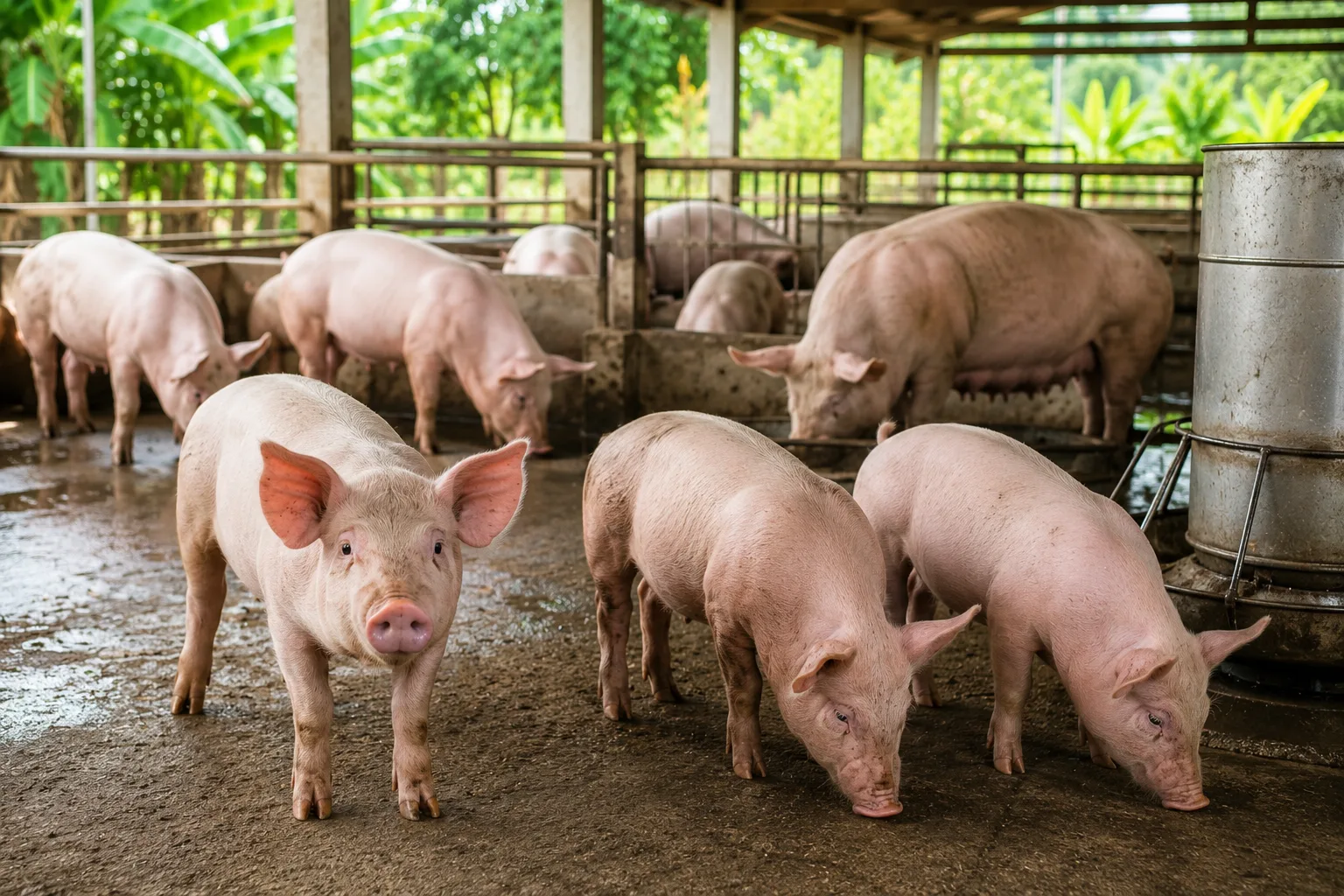
A detailed, informative, helpful, and easy-to-read guide to raising healthy pigs and managing a productive pig farm.
Pig farming can be a profitable and useful livestock activity when managed properly. Pigs can grow quickly, convert feed into meat efficiently, and provide income for farmers. However, successful pig farming requires good housing, clean water, balanced feeding, proper hygiene, disease prevention, careful breeding, and daily observation.
Good pig farming is not only about feeding pigs until they grow. It also means keeping animals healthy, reducing stress, preventing disease, managing waste, protecting piglets, and keeping accurate records. With good practices, pigs can grow better, stay healthier, and provide better results for the farmer.
1. Decide the Purpose of the Pig Farm
Before starting, decide what kind of pig farming you want to do. The goal will affect the breed, housing, feeding plan, breeding system, and marketing strategy.
- Meat production: Raising pigs for pork.
- Breeding: Raising sows and boars to produce piglets.
- Feeder pig production: Raising piglets to sell to other farmers.
- Small family farm: Raising pigs for home food and local sales.
- Commercial pig farming: Larger production with planned feeding, breeding, and marketing.
2. Choose the Right Pig Breed
Different pig breeds have different strengths. Some grow faster, some produce larger litters, some are better for meat quality, and some adapt better to local conditions.
When choosing a breed, consider:
- Growth rate
- Meat quality
- Feed efficiency
- Climate tolerance
- Disease resistance
- Reproductive performance
- Market demand
- Availability in your area
It is usually best to choose pigs that are already proven in your local climate and farming system.
3. Start With Healthy Pigs
Healthy animals are the foundation of a successful pig farm. Buying weak or sick pigs can lead to poor growth, disease spread, and financial loss.
Healthy pigs usually have:
- Bright eyes
- Good appetite
- Smooth skin and normal body condition
- Active movement
- No coughing or difficult breathing
- No diarrhea
- No wounds, swelling, or severe lameness
Buy pigs from trusted farms when possible. Ask about age, vaccination history, deworming, feeding, and health records.
4. Provide Proper Housing
Pigs need housing that protects them from heat, cold, rain, predators, and stress. Good housing also makes feeding, cleaning, and health checking easier.
A good pig house should provide:
- Enough space for each pig
- Good airflow and ventilation
- Shade and protection from direct heat
- Dry resting area
- Strong flooring that is easy to clean
- Safe fencing or walls
- Separate areas for piglets, growers, sows, boars, and sick animals
Overcrowding should be avoided because it can increase fighting, stress, poor growth, dirty conditions, and disease spread.
5. Keep the Pig House Clean
Hygiene is very important in pig farming. Dirty pens can increase disease, parasites, odor, flies, and poor animal health.
Good cleaning practices include:
- Remove manure regularly
- Clean feeders and drinkers
- Keep bedding dry if bedding is used
- Disinfect pens between groups when possible
- Remove leftover spoiled feed
- Control flies and rodents
A clean pig farm is easier to manage and helps prevent many health problems.
6. Provide Clean Water Every Day
Pigs need plenty of clean water. Water supports digestion, growth, body temperature control, milk production, and overall health.
Good water practices include:
- Provide fresh water at all times
- Clean water containers regularly
- Make sure all pigs can reach water
- Check water more often in hot weather
- Prevent manure and feed from contaminating water
Lack of water can reduce feed intake, slow growth, and cause serious health problems.
7. Feed Pigs a Balanced Diet
Good feeding is one of the most important parts of pig farming. Pigs need energy, protein, vitamins, minerals, and water. The right feed depends on the pig’s age, weight, and purpose.
Common feeding stages include:
- Starter feed: For young piglets after weaning.
- Grower feed: For growing pigs.
- Finisher feed: For pigs being raised to market size.
- Sow feed: For pregnant and nursing females.
- Boar feed: For breeding males.
Avoid feeding moldy, spoiled, or contaminated feed. Poor feed can cause sickness, slow growth, and poor meat quality.
8. Avoid Sudden Feed Changes
Changing feed too quickly can upset a pig’s digestion and cause diarrhea or reduced appetite. When changing feed, mix the old and new feed gradually over several days.
This is especially important for piglets, newly purchased pigs, and pigs under stress.
9. Practice Good Biosecurity
Biosecurity means protecting the farm from disease. Disease can enter through new animals, visitors, dirty shoes, vehicles, equipment, rodents, wild animals, and contaminated feed or water.
Good biosecurity practices include:
- Limit unnecessary visitors
- Quarantine new pigs before mixing them with the herd
- Use clean boots and clothing in pig areas
- Clean and disinfect equipment
- Keep rodents, birds, and wild animals away
- Do not share equipment with other farms without cleaning
- Separate sick pigs immediately
10. Watch for Signs of Sickness
Daily observation helps farmers catch problems early. Pigs can become sick quickly, so unusual behavior should be taken seriously.
Warning signs include:
- Loss of appetite
- Coughing or sneezing
- Fast or difficult breathing
- Diarrhea
- Vomiting
- Weakness or lying down too much
- Skin redness, wounds, or swelling
- Lameness or trouble walking
- Sudden deaths
Contact a veterinarian if sickness is serious, spreads quickly, or does not improve.
11. Follow a Health and Vaccination Plan
Pigs may need vaccinations, deworming, parasite control, and regular health checks depending on local disease risks. A veterinarian or livestock advisor can help create a proper health plan.
A good health plan may include:
- Vaccination schedule
- Deworming plan
- Parasite control
- Hoof and leg checks
- Safe treatment records
- Proper withdrawal times for medicines before selling meat
12. Manage Breeding Carefully
Good breeding management helps produce strong piglets and improves farm productivity. Breeding animals should be healthy, mature, and in good body condition.
Good breeding practices include:
- Use healthy sows and boars
- Avoid breeding animals that are too young or weak
- Keep breeding records
- Provide good nutrition before and during pregnancy
- Prepare a clean farrowing area before birth
- Watch pregnant sows closely near farrowing time
13. Care for Pregnant Sows
Pregnant sows need proper feeding, clean water, calm handling, and a safe environment. Poor care during pregnancy can lead to weak piglets, difficult birth, or low milk production.
Pregnant sow care includes:
- Provide balanced feed
- Avoid extreme stress
- Keep the pen clean and dry
- Watch for illness or loss of appetite
- Prepare a clean farrowing area before piglets are born
14. Care for Newborn Piglets
Piglets need special care during the first days of life. They are small, sensitive to cold, and depend on the sow’s milk.
Important piglet care includes:
- Make sure piglets breathe well after birth
- Keep piglets warm and dry
- Make sure piglets drink colostrum soon after birth
- Prevent piglets from being crushed by the sow
- Watch for weak piglets
- Keep bedding and the farrowing area clean
Colostrum is the first milk and helps protect piglets from disease.
15. Manage Waste Properly
Pig manure must be managed carefully. Poor waste management can cause bad odor, flies, water pollution, disease problems, and complaints from neighbors.
Good waste management includes:
- Remove manure regularly
- Keep drainage controlled
- Prevent waste from entering water sources
- Compost manure safely when appropriate
- Control flies and rodents
- Follow local waste rules
16. Reduce Heat Stress
Pigs can suffer in hot weather because they do not sweat like humans. Heat stress can reduce feed intake, slow growth, affect reproduction, and become dangerous.
Ways to reduce heat stress include:
- Provide shade
- Ensure good airflow
- Provide plenty of cool water
- Avoid overcrowding
- Use sprinklers or cooling systems when appropriate
- Feed during cooler parts of the day if needed
17. Keep Good Farm Records
Records help farmers understand performance, health, expenses, and profit.
Useful pig farm records include:
- Number of pigs purchased or born
- Birth dates and weaning dates
- Feed used
- Weight gain
- Breeding dates
- Vaccination and treatment records
- Deaths or sickness
- Sales and expenses
Without records, it is difficult to know whether the farm is improving or losing money.
Common Mistakes to Avoid
- Starting without a clear farming goal
- Buying unhealthy pigs
- Overcrowding pens
- Using dirty water containers
- Feeding moldy or spoiled feed
- Ignoring biosecurity
- Mixing new pigs without quarantine
- Ignoring sick pigs
- Poor waste management
- Not keeping farm records
Helpful Daily Pig Farm Routine
- Check all pigs for normal behavior
- Provide clean water
- Feed pigs the correct amount and type of feed
- Remove manure and spoiled feed
- Check for coughing, diarrhea, wounds, or lameness
- Inspect fences, pens, feeders, and drinkers
- Observe piglets and pregnant sows closely
- Record feed use, sickness, births, deaths, and treatments
Conclusion
Good pig farming practices are based on healthy animals, proper housing, clean water, balanced feeding, hygiene, biosecurity, disease prevention, breeding management, piglet care, waste control, and accurate records.
Pig farming can be productive and profitable when managed with care and discipline. Farmers who observe pigs daily, prevent disease, provide proper nutrition, and keep clean housing are more likely to raise healthier pigs and build a stronger farm operation.