
A detailed, informative, helpful, and easy-to-read guide to understanding why people gain weight and body fat.
Weight gain and body fat increase can happen for many reasons. It is not always caused by one simple habit. Food choices, physical activity, sleep, stress, hormones, genetics, medical conditions, medications, and environment can all play a role.
In general, body fat increases when the body regularly receives more energy from food and drinks than it uses. However, the reasons behind that imbalance can be complex. CDC and NIDDK explain that obesity and weight gain can be influenced by health behaviors, stress, medical conditions, medicines, genes, sleep, and the places where people live and work.
1. Eating More Calories Than the Body Uses
The most direct cause of fat gain is a long-term calorie surplus. Calories are energy from food and drinks. When a person regularly eats more calories than the body burns through daily activity, work, exercise, and basic body functions, the extra energy can be stored as fat.
This does not mean a person gains fat from one large meal. Weight gain usually happens when overeating becomes a regular pattern.
2. High-Calorie Foods and Drinks
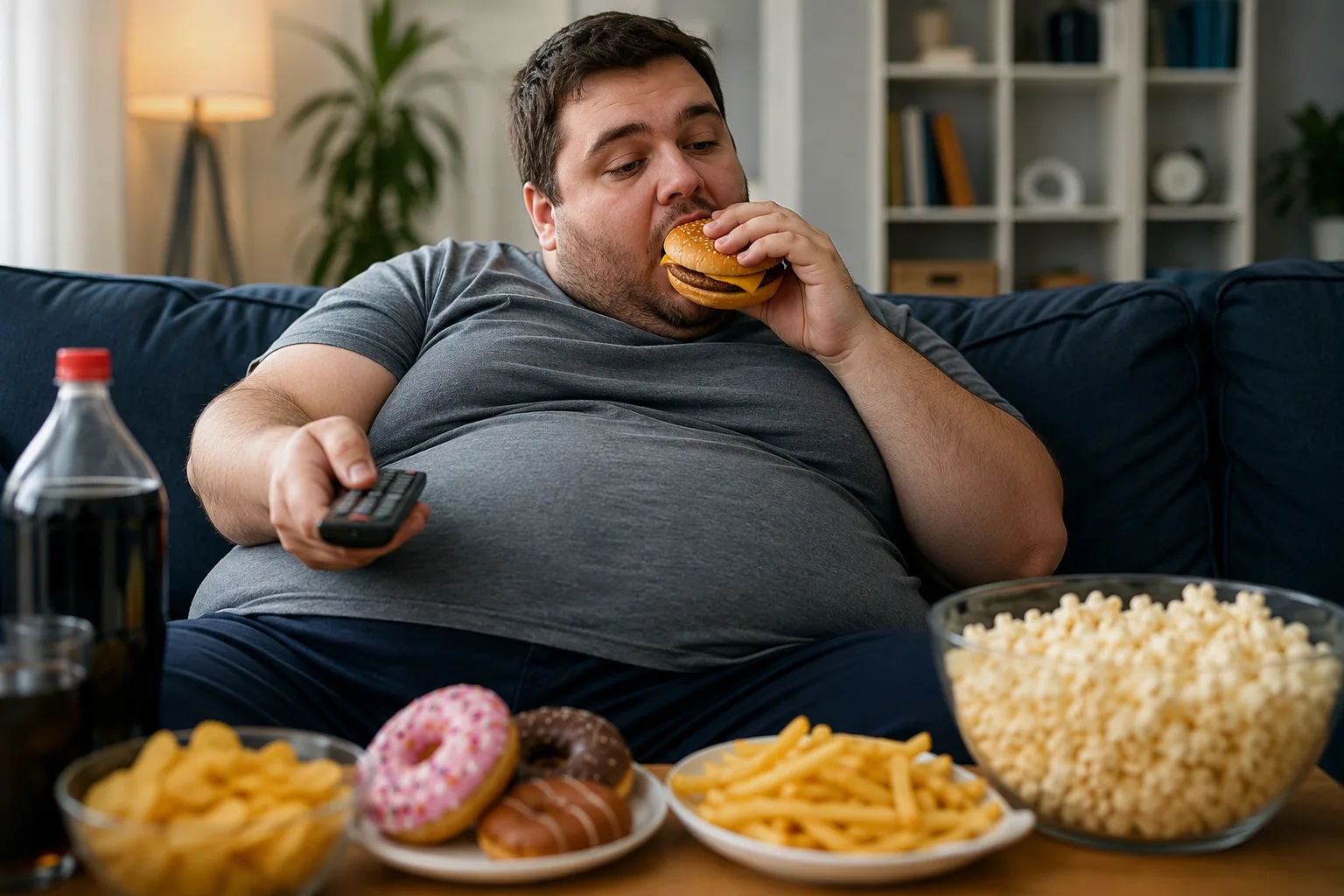
Some foods and drinks make it easier to consume many calories without feeling full. These may include sugary drinks, fast food, fried foods, sweets, chips, pastries, large portions, and highly processed snacks.
Common high-calorie habits include:
- Drinking soda, sweet tea, energy drinks, or sweet coffee often
- Eating large portions
- Snacking while watching TV or using the phone
- Eating fast food frequently
- Adding too much oil, butter, sugar, or creamy sauces
3. Low Physical Activity
Physical activity helps the body use energy. When a person moves less, sits for long hours, or does not exercise, the body may burn fewer calories each day.
Low activity can happen because of desk jobs, long driving, screen time, illness, injury, lack of safe places to exercise, tiredness, or busy schedules. Even small daily movement, such as walking, cleaning, gardening, or using stairs, can help.
4. Poor Sleep
Sleep can affect hunger, cravings, energy, and hormones. When people do not sleep enough, they may feel hungrier, crave sweet or high-calorie foods, and have less energy to move during the day.
Poor sleep can also make it harder to stay consistent with healthy habits. For many adults, improving sleep is an important part of weight management.
5. Stress and Emotional Eating
Stress can affect weight in several ways. Some people eat more when stressed, especially comfort foods that are sweet, salty, or high in fat. Stress can also reduce sleep quality and make exercise harder to maintain.
Emotional eating does not mean a person lacks discipline. It often happens when food becomes a quick way to handle sadness, pressure, boredom, loneliness, or anxiety.
6. Genetics and Family History
Genetics can influence body size, appetite, metabolism, fat storage, and how easily a person gains weight. Some people may gain weight more easily than others, even with similar habits.
Family habits also matter. Children and adults often share food patterns, activity levels, sleep routines, and cultural eating habits.
7. Hormones and Medical Conditions
Some medical conditions can contribute to weight gain or make weight loss more difficult. Examples may include thyroid problems, polycystic ovary syndrome, insulin resistance, depression, certain hormone disorders, and conditions that reduce movement.
If weight gain is sudden, unexplained, or comes with symptoms such as extreme tiredness, swelling, hair loss, mood changes, or changes in appetite, it is wise to speak with a healthcare provider.
8. Certain Medications
Some medicines can cause weight gain in some people. These may include certain antidepressants, steroids, diabetes medicines, seizure medicines, and some blood pressure or hormone-related medicines.
Never stop prescription medicine without medical advice. If a medicine seems to cause weight gain, ask a healthcare provider whether there are safer alternatives or ways to manage the side effect.
9. Environment and Lifestyle Pressure
A person’s environment can strongly affect weight. It is easier to gain weight when healthy food is expensive, fast food is everywhere, neighborhoods are not safe for walking, work hours are long, or people have limited time to cook.
Weight gain is not only a personal issue. Home, work, school, community, money, transportation, and food access can all influence daily choices.
10. Alcohol and Liquid Calories
Drinks can add many calories without making a person feel full. Alcohol, soda, sweet coffee, milkshakes, fruit juices, and energy drinks can increase daily calorie intake quickly.
Alcohol can also lower self-control around food and disturb sleep, which may indirectly increase weight gain.
11. Eating Too Fast
Eating quickly can make it easier to overeat because the body needs time to feel full. Slower eating gives the brain more time to receive fullness signals.
Helpful habits include:
- Chewing food slowly
- Taking short pauses during meals
- Drinking water with meals
- Using smaller plates if portions are too large
- Stopping when comfortably full, not painfully full
12. Frequent Snacking
Snacking is not always bad, but frequent high-calorie snacking can add extra calories. Snacks can become a problem when they happen out of boredom, stress, or habit rather than hunger.
Better snack choices may include fruit, yogurt, nuts in small portions, boiled eggs, vegetables, or other filling foods.
13. Muscle Loss and Aging
As people age, they may lose muscle if they are not active. Muscle uses energy, so losing muscle can lower daily calorie needs. If eating habits stay the same while activity and muscle decrease, weight gain can happen.
Strength training, walking, enough protein, and regular movement can help protect muscle as people age.
14. Not Enough Protein and Fiber
Protein and fiber help people feel full. Meals that are mostly refined carbohydrates, sugar, or fat may not keep a person full for long. This can lead to more hunger and more snacking.
Filling foods include:
- Eggs, fish, chicken, tofu, beans, lentils, or lean meats
- Vegetables
- Fruits
- Whole grains
- Nuts and seeds in controlled portions
15. Repeated Dieting and Extreme Restriction
Very strict diets may work for a short time, but they can be hard to maintain. When a diet is too restrictive, people may feel hungry, tired, frustrated, and eventually overeat.
A realistic eating plan is usually better than a short extreme diet. Healthy weight management should be sustainable, balanced, and flexible.
Common Signs That Habits May Be Causing Weight Gain
- Eating when not hungry
- Drinking sugary beverages often
- Eating large portions at night
- Sitting most of the day
- Sleeping too little
- Feeling stressed and using food for comfort
- Eating fast food many times per week
- Snacking without noticing how much was eaten
Helpful Ways to Reduce Fat Gain
- Drink more water and reduce sugary drinks
- Eat more protein and fiber-rich foods
- Control portion sizes
- Walk or move more during the day
- Sleep enough and keep a regular sleep schedule
- Manage stress in healthier ways
- Cook at home more often
- Track food intake for a short time to understand habits
- Ask a healthcare provider about sudden or unexplained weight gain
When to Seek Medical Advice
Talk with a healthcare provider if weight gain is sudden, unexplained, severe, or connected with swelling, shortness of breath, extreme tiredness, depression, hormone symptoms, pain, or new medications.
Medical support can help identify health conditions, medicine side effects, hormone problems, or other causes that need proper treatment.
Conclusion
People gain fat for many reasons. The most direct reason is regularly eating more calories than the body uses, but the causes behind that can include food choices, low activity, poor sleep, stress, genetics, hormones, medications, health conditions, aging, and environment.
Understanding the cause is better than blaming the person. When people know what affects their weight, they can make better choices, build healthier routines, and get medical help when needed.