
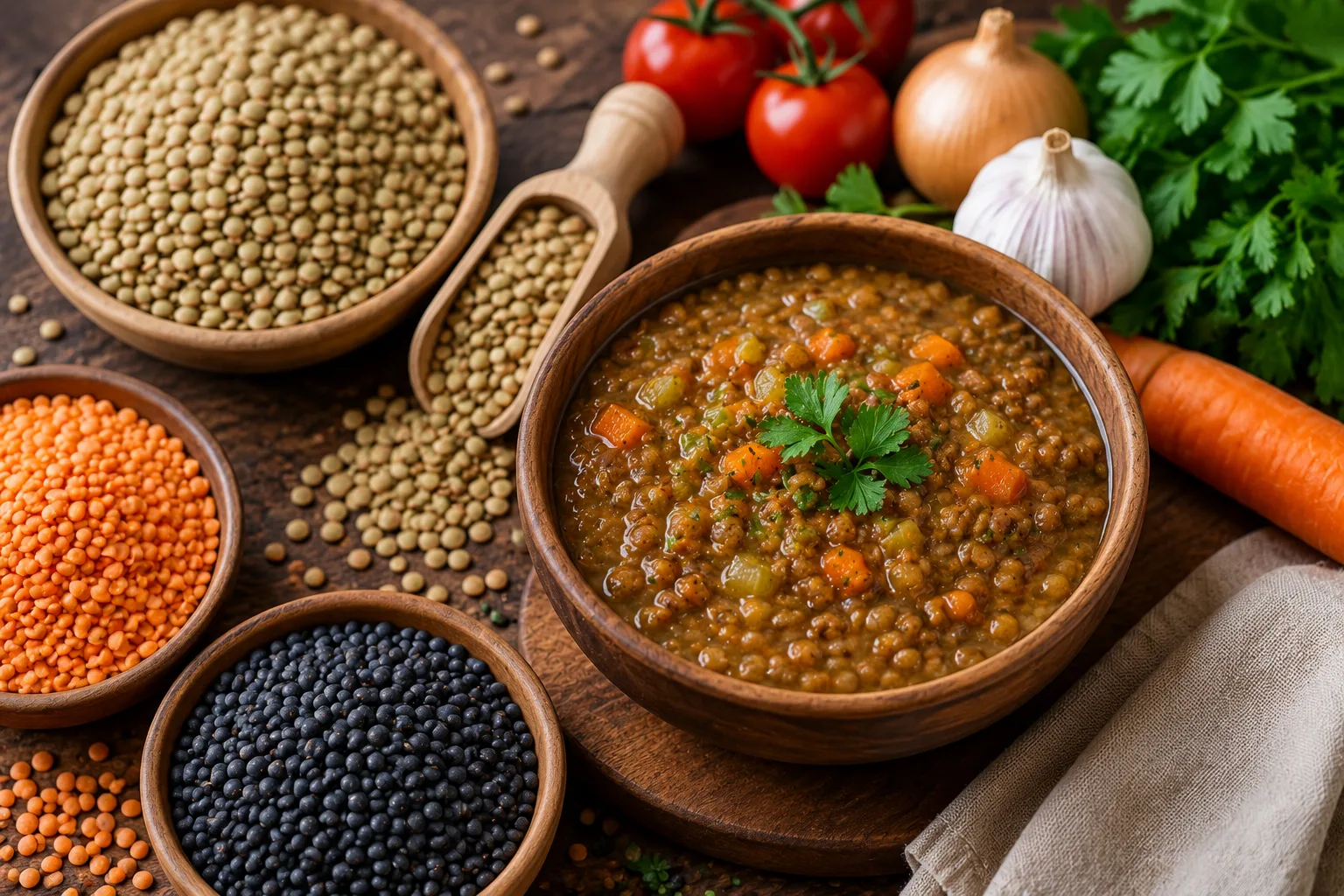
A detailed, informative, helpful, and easy-to-read guide to the benefits of adding lentils to your meals.
Lentils are small edible seeds from the legume family. They are affordable, nutritious, easy to cook, and useful in many meals. Lentils can be added to soups, rice, salads, curries, stews, burgers, and side dishes.
Lentils are naturally low in saturated fat and sodium, while providing fiber, potassium, folate, plant protein, and beneficial plant compounds. They also contain slow-digesting carbohydrates and resistant starch, which can support blood sugar balance and gut health.
1. Lentils Are a Good Source of Plant Protein
Lentils are helpful for people who want more plant-based protein. Protein supports muscles, bones, skin, repair, and general body function. Lentils can be especially useful for people who eat less meat or follow a vegetarian-style diet.
They can be combined with rice, bread, oats, corn, or other grains to create a more complete plant-based meal.
2. Lentils Are High in Fiber
Fiber is one of the strongest benefits of lentils. Fiber helps digestion, supports fullness, and may help improve cholesterol and blood sugar control. Mayo Clinic notes that soluble fiber from foods such as beans can help lower LDL, often called “bad” cholesterol.
Fiber may help with:
- Better digestion
- More regular bowel movements
- Feeling full longer
- Heart health support
- Blood sugar control
3. Lentils Can Support Heart Health
Lentils contain fiber, potassium, folate, and other nutrients that support heart health. Because they are low in saturated fat, they can be a healthy replacement for some high-fat meats in meals.
Eating more legumes such as lentils, beans, and peas is connected with healthier eating patterns and may support lower risk of obesity, diabetes, high blood pressure, high cholesterol, heart disease, and stroke.
4. Lentils Help You Feel Full
Lentils contain both protein and fiber. This combination helps slow digestion and may help you feel satisfied longer after eating. Harvard’s Nutrition Source explains that legumes contain dietary components that may support weight control by increasing fullness.
This can be helpful for people trying to control snacking, reduce overeating, or build a healthier meal plan.
5. Lentils May Support Blood Sugar Balance
Lentils contain slow-digesting carbohydrates and resistant starch. These can delay carbohydrate absorption and may help prevent blood sugar from rising too quickly after a meal.
For better blood sugar support, lentils can be eaten with vegetables, lean protein, healthy fats, and whole grains.
6. Lentils Are Good for Digestive Health
Lentils provide prebiotics, which help feed beneficial gut bacteria. A healthy gut can support digestion, immune function, and general wellness.
If you are not used to eating lentils, start with small portions. Eating too much too quickly may cause gas or bloating.
7. Lentils Provide Important Vitamins and Minerals
Lentils contain important nutrients such as folate, iron, magnesium, phosphorus, potassium, and zinc. These nutrients support energy, blood health, muscles, nerves, and many body processes.
Mayo Clinic lists beans as low-fat sources of protein and fiber that also provide nutrients such as thiamin, magnesium, iron, zinc, folate, phosphorus, and potassium.
8. Lentils Are Affordable and Easy to Store
Lentils are usually cheaper than many meats and some other protein foods. Dry lentils can be stored for a long time in a cool, dry place. This makes them useful for families, meal planning, emergency food storage, and budget cooking.
9. Lentils Cook Faster Than Many Beans
Many dry beans need long soaking and cooking, but lentils usually cook faster. Red lentils cook quickly and become soft, making them good for soups and curries. Green and brown lentils hold their shape better and work well in salads, rice dishes, and stews.
10. Lentils Can Replace Some Meat in Meals
Lentils can be used as a meat alternative in many dishes. They are not exactly the same as meat, but they can add protein, texture, and fullness.
Meal ideas include:
- Lentil soup
- Lentil curry
- Lentils with rice
- Lentil burgers
- Lentil tacos
- Lentil salad
- Lentil stew with vegetables
11. Lentils Are Useful for Weight Management
Lentils can support weight management because they are filling, rich in fiber, and provide protein. They can help make meals satisfying without needing large amounts of high-calorie foods.
The best results come when lentils are part of an overall healthy lifestyle that includes balanced meals, enough movement, good sleep, and portion control.
12. Lentils Are Good for Many Eating Styles
Lentils fit many diets and cultures. They can be used in vegetarian meals, Mediterranean-style meals, Asian dishes, Middle Eastern dishes, soups, stews, and simple home cooking.
Mayo Clinic includes legumes such as lentils, beans, and peanuts as healthy plant-based foods in vegetarian diet planning.
How to Cook Lentils Simply
- Sort the lentils and remove small stones or damaged pieces.
- Rinse under clean water.
- Add lentils to a pot with water or broth.
- Simmer until soft.
- Add salt and seasoning near the end for better texture.
- Mix with vegetables, rice, herbs, or spices.
Tips to Reduce Gas or Bloating
- Start with small portions.
- Rinse lentils well before cooking.
- Cook them until fully soft.
- Drink enough water when increasing fiber.
- Increase fiber slowly over several weeks.
- Try red lentils if other lentils feel harder to digest.
Who Should Be Careful?
Lentils are healthy for most people, but some people may need caution. People with certain digestive conditions, kidney disease, special medical diets, or food sensitivities should ask a healthcare provider or dietitian if they are unsure.
Also, lentils should be cooked properly. Dry lentils should not be eaten raw.
Conclusion
Lentils are one of the most useful and nutritious foods to add to a healthy diet. They provide plant protein, fiber, vitamins, minerals, slow-digesting carbohydrates, and gut-friendly nutrients.
Eating lentils regularly may support heart health, digestion, fullness, blood sugar balance, and weight management. They are also affordable, easy to store, and simple to cook, making them a smart food for both health and budget.