
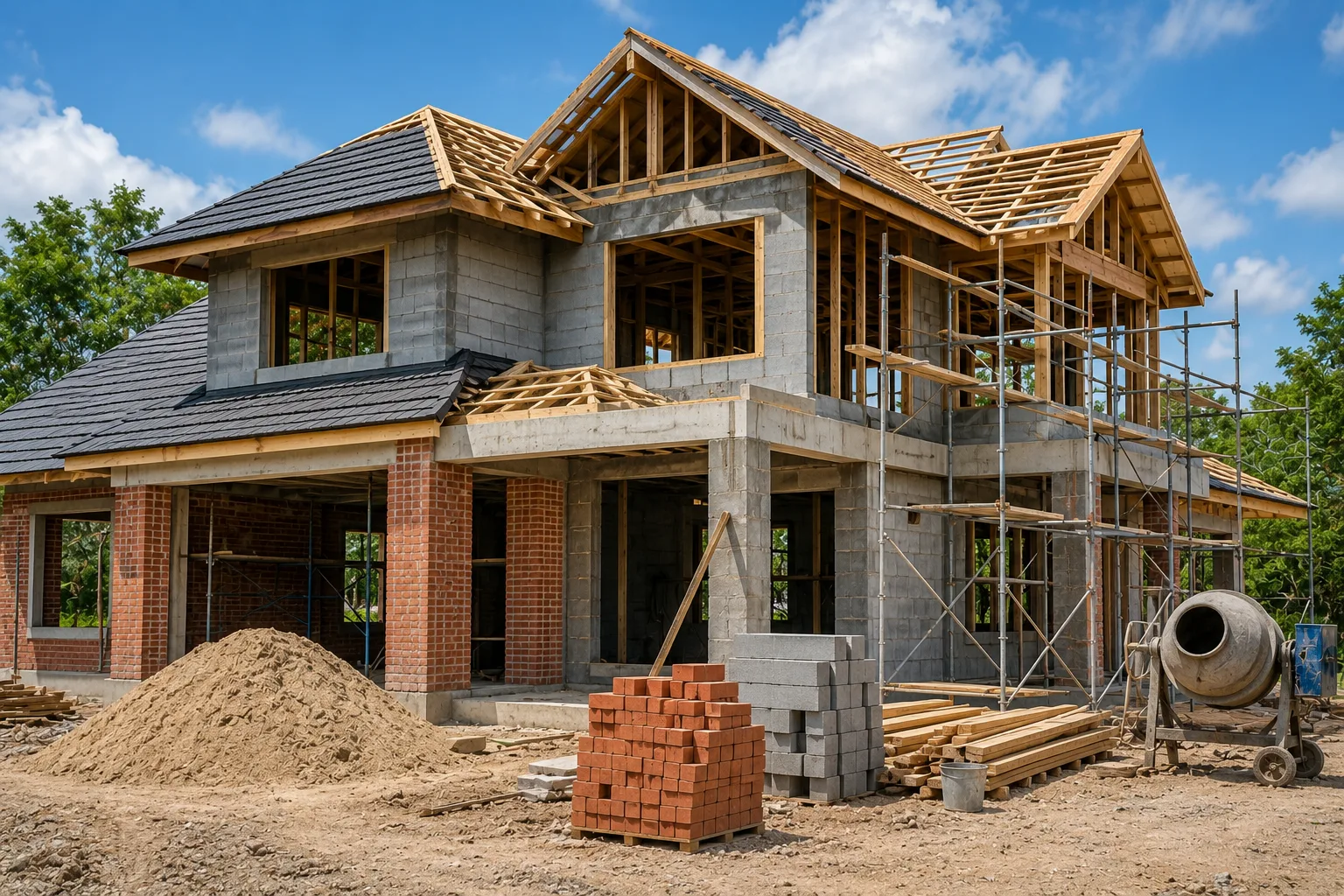
A detailed, informative, helpful, and easy-to-read guide to building a safe, comfortable, and long-lasting home.
Building a house is one of the biggest projects many people will ever do. A properly built house can provide safety, comfort, value, and stability for many years. However, a poorly planned or poorly built house can lead to expensive repairs, safety problems, leaks, structural issues, and stress.
Building a house properly requires planning, budgeting, professional design, permits, strong materials, skilled labor, inspections, and careful management from start to finish. Every stage matters, from choosing the land to finishing the interior.
1. Start With a Clear Plan
A good house starts with a good plan. Before construction begins, think carefully about what kind of home you need, how much space you want, how many rooms are required, and how the house will be used daily.
Important planning questions include:
- How many bedrooms and bathrooms are needed?
- Will the house be one story or multiple stories?
- How much storage space is needed?
- Will the home need a garage, office, patio, or workshop?
- How many people will live in the house?
- What is the realistic budget?
- What future needs should be considered?
Planning ahead helps reduce costly changes during construction.
2. Set a Realistic Budget
Budgeting is one of the most important parts of building a house. Construction costs can include land, permits, design, labor, materials, utilities, inspections, landscaping, and unexpected expenses.
A good house-building budget should include:
- Land cost
- Design and engineering fees
- Permit and inspection fees
- Site preparation
- Foundation
- Framing and roofing
- Plumbing, electrical, and HVAC
- Windows and doors
- Interior finishes
- Exterior finishes
- Landscaping
- Emergency or contingency money
It is wise to include extra money for unexpected costs. Many construction projects cost more than expected because of material price changes, weather delays, design changes, or hidden site issues.
3. Choose the Right Land
The land affects the house design, foundation type, drainage, driveway, utilities, and long-term comfort. A beautiful house on poor land can still have serious problems if the site is not suitable.
When choosing land, consider:
- Soil condition
- Flood risk
- Drainage
- Slope of the land
- Access to roads
- Water, electricity, gas, and sewer availability
- Local building rules
- Neighborhood and safety
- Future property value
A soil test or site evaluation can help prevent foundation and drainage problems later.
4. Work With Qualified Professionals
Building a house usually requires professionals such as architects, engineers, contractors, electricians, plumbers, roofers, inspectors, and sometimes surveyors or soil specialists.
Qualified professionals help ensure the house is safe, legal, efficient, and built according to proper standards. Trying to save money by using unqualified workers can lead to bigger expenses later.
Before hiring, check:
- License or certification if required
- Experience
- References or reviews
- Previous work examples
- Written contract
- Insurance coverage
- Clear pricing and payment terms
5. Get the Required Permits
Most areas require permits before building a house. Permits help make sure construction follows safety rules, zoning laws, building codes, and utility requirements.
Common permits may include:
- Building permit
- Electrical permit
- Plumbing permit
- Mechanical or HVAC permit
- Septic or sewer permit
- Driveway or grading permit
Building without permits can cause legal problems, fines, insurance issues, and difficulty selling the house later.
6. Prepare the Site Properly
Site preparation comes before the foundation. This step makes the land ready for construction and helps prevent future problems.
Site preparation may include:
- Clearing trees, brush, and debris
- Marking the building location
- Grading the land
- Creating proper drainage
- Preparing access for trucks and workers
- Connecting temporary utilities if needed
- Protecting nearby structures and trees
Proper drainage is very important. Water should flow away from the house, not toward it.
7. Build a Strong Foundation
The foundation supports the entire house. If the foundation is weak or poorly built, the home may develop cracks, uneven floors, water leaks, or structural damage.
Common foundation types include:
- Slab foundation: Concrete slab poured at ground level.
- Crawl space foundation: Raised foundation with space under the house.
- Basement foundation: Foundation with usable space below the main floor.
- Pier foundation: Supports the house on piers or posts, often used in certain soil or flood areas.
The best foundation depends on soil, climate, budget, house design, and local building requirements.
8. Frame the House Correctly
Framing creates the skeleton of the house. It includes walls, floors, beams, and roof structure. Good framing keeps the house strong, level, and properly shaped.
Good framing should:
- Follow the approved building plans
- Use quality lumber or approved structural materials
- Be straight, level, and properly connected
- Include proper bracing
- Allow correct openings for windows and doors
- Meet local building code requirements
9. Install a Durable Roof
The roof protects the house from rain, wind, sun, and weather. A poorly installed roof can cause leaks, mold, ceiling damage, insulation problems, and expensive repairs.
Important roofing details include:
- Strong roof structure
- Proper underlayment
- Correct shingles, tiles, metal panels, or roofing material
- Good flashing around openings
- Proper gutters and drainage
- Ventilation where needed
10. Install Plumbing, Electrical, and HVAC Safely
Plumbing, electrical, and HVAC systems are essential for comfort and safety. These systems should be installed by qualified workers and inspected before walls are closed.
Plumbing
Plumbing includes water supply, drains, toilets, sinks, showers, and water heaters. Poor plumbing can cause leaks, mold, water damage, and high repair costs.
Electrical
Electrical work includes wiring, outlets, switches, lighting, breakers, and panels. Poor electrical work can create fire hazards and safety risks.
HVAC
HVAC means heating, ventilation, and air conditioning. A properly sized and installed system keeps the house comfortable and helps control air quality.
11. Use Good Insulation and Ventilation
Insulation helps keep the home comfortable and reduces energy costs. Ventilation helps control moisture and indoor air quality. Both are important for a healthy home.
Areas that often need insulation include:
- Walls
- Attic or roof area
- Floors over crawl spaces
- Basement walls
- Around air leaks and gaps
A well-insulated and properly ventilated house can be more comfortable and energy efficient.
12. Install Quality Windows and Doors
Windows and doors affect security, comfort, natural light, ventilation, and energy efficiency. Poor installation can cause leaks, drafts, and uneven operation.
Good window and door installation should include:
- Proper sizing
- Correct flashing
- Good sealing
- Smooth opening and closing
- Strong locks
- Weather resistance
13. Complete Interior Work Carefully
Interior work includes drywall, flooring, cabinets, paint, trim, lighting, fixtures, and appliances. These finishes affect how the home looks and feels every day.
Interior finishing should focus on:
- Durable flooring
- Clean drywall and paint work
- Safe stairways and railings
- Functional kitchen layout
- Comfortable bathroom design
- Good lighting
- Enough storage
14. Finish the Exterior Properly
Exterior finishing protects the house from weather and improves curb appeal. Good exterior work helps prevent moisture damage and makes the house last longer.
Exterior work may include:
- Siding, stucco, brick, stone, or exterior panels
- Exterior paint or coating
- Gutters and downspouts
- Driveway and walkways
- Porches, decks, or patios
- Landscaping and drainage
Water should always be directed away from the foundation.
15. Schedule Inspections
Inspections help verify that the house is being built properly. Many areas require inspections at different stages before construction can continue.
Common inspection stages include:
- Foundation inspection
- Framing inspection
- Plumbing rough-in inspection
- Electrical rough-in inspection
- HVAC inspection
- Insulation inspection
- Final inspection
Inspections may feel like delays, but they protect the homeowner and help catch problems early.
16. Do a Final Walkthrough
Before accepting the finished house, walk through the entire home carefully. Make a list of items that need repair, adjustment, or completion.
Check for:
- Doors and windows opening properly
- Water leaks
- Electrical outlets and lights working
- Proper drainage outside
- Cracks, gaps, or unfinished areas
- Appliances working correctly
- Heating and cooling system operation
- Paint, flooring, cabinets, and fixtures
Common Mistakes to Avoid
- Starting construction without a clear plan
- Underestimating the budget
- Skipping permits or inspections
- Choosing land without checking soil and drainage
- Hiring unqualified workers
- Using cheap materials in important structural areas
- Ignoring water drainage around the house
- Making many design changes during construction
- Not checking work before walls are closed
Helpful House Building Checklist
- Create a clear design and budget
- Choose suitable land
- Hire qualified professionals
- Get required permits
- Prepare the site and drainage
- Build a strong foundation
- Frame the house correctly
- Install roof, windows, and doors properly
- Complete plumbing, electrical, and HVAC safely
- Insulate and ventilate the home well
- Finish interior and exterior carefully
- Complete inspections
- Do a final walkthrough before moving in
Conclusion
Building a house properly requires careful planning, good materials, skilled workers, inspections, and attention to detail. A strong home begins with the land and foundation, then continues through framing, roofing, utilities, insulation, finishes, and final inspection.
A properly built house is safer, more comfortable, more efficient, and more valuable over time. By planning carefully, following building rules, and working with qualified professionals, homeowners can reduce mistakes and create a home that lasts for many years.