
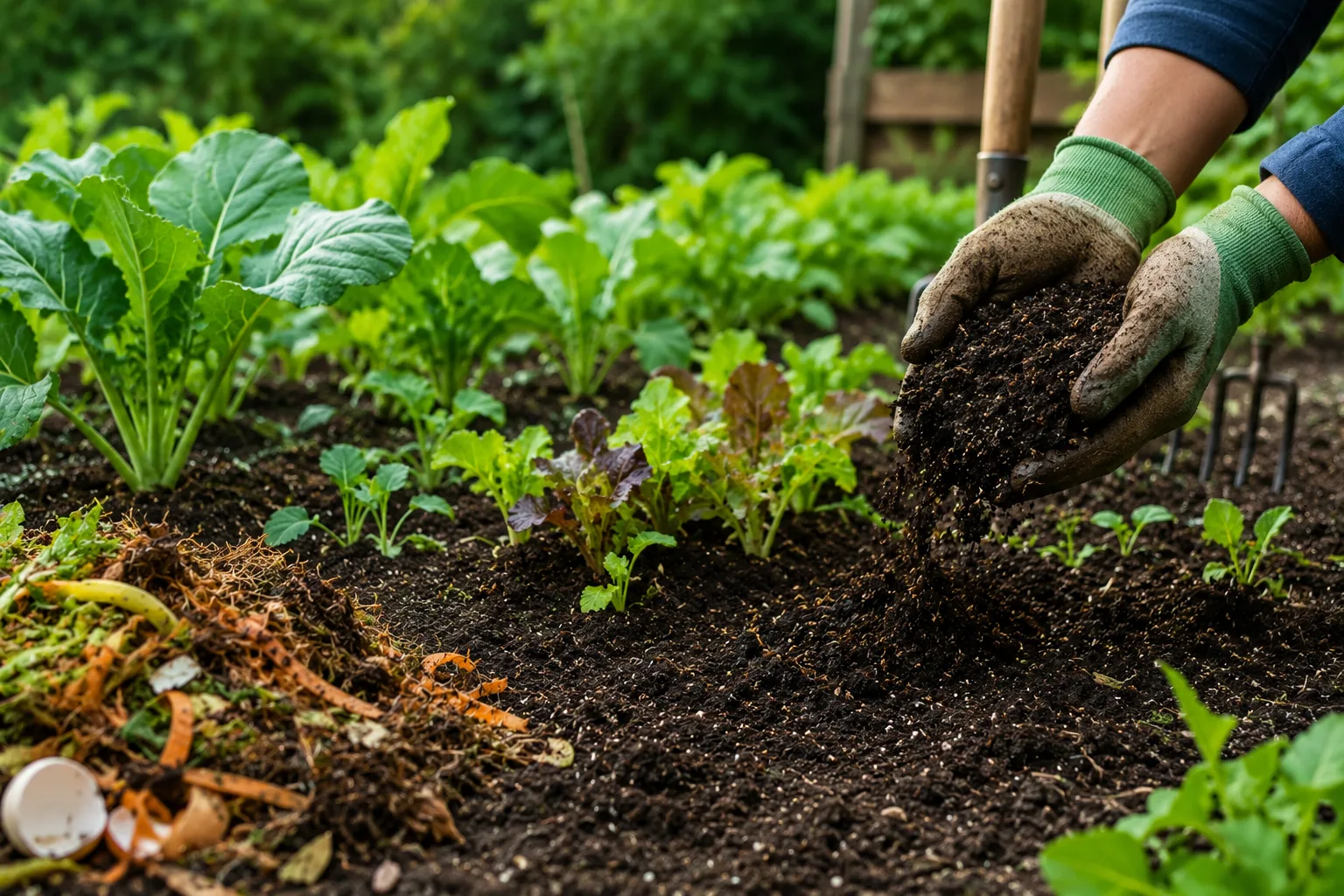
A detailed, informative, helpful, and easy-to-read guide to improving soil health so plants can grow stronger and produce better results.
Fertile soil is one of the most important foundations for healthy plant growth. Good soil gives plants the nutrients, water, air, and support they need to develop strong roots, green leaves, flowers, fruits, and seeds. When soil is poor, plants may grow slowly, turn yellow, produce weak stems, or give low harvests.
Making soil fertile does not mean adding random fertilizer only. True soil fertility comes from improving the whole soil system: nutrients, organic matter, soil structure, microorganisms, moisture, drainage, and pH balance. Healthy soil is alive, and the better it is managed, the better plants can grow.
1. Understand What Fertile Soil Means
Fertile soil is soil that can support healthy plant growth. It contains enough nutrients, holds water properly, drains well, allows roots to breathe, and supports helpful soil organisms.
Good fertile soil usually has:
- Enough plant nutrients
- Good organic matter
- Loose structure for root growth
- Good drainage
- Enough moisture-holding ability
- Healthy soil microorganisms
- Balanced pH for the plants being grown
2. Test the Soil First
A soil test helps you understand what the soil needs. Without testing, it is easy to add too much of one nutrient and not enough of another. Soil testing can show pH level, nutrient levels, and sometimes organic matter content.
A soil test can help answer questions like:
- Is the soil too acidic or too alkaline?
- Does the soil need nitrogen, phosphorus, or potassium?
- Does the soil need lime or sulfur?
- Is there enough organic matter?
- What fertilizer should be used?
Soil test kits are available in many garden stores, and local agricultural extension offices may also offer testing services.
3. Add Organic Matter
Organic matter is one of the best ways to improve soil fertility. It helps feed soil organisms, improves soil structure, increases water-holding ability, and slowly releases nutrients.
Good organic matter sources include:
- Compost
- Well-rotted manure
- Leaf mold
- Grass clippings in thin layers
- Crop residues
- Cover crops
- Mulch that breaks down over time
Avoid using fresh manure directly around food crops unless it is handled safely and applied according to local food safety guidance. Fresh manure can burn plants and may carry harmful germs.
4. Use Compost Regularly
Compost is decomposed organic material that improves soil naturally. It can help sandy soil hold more moisture and help clay soil become looser and easier to work.
Compost benefits include:
- Adds slow-release nutrients
- Improves soil texture
- Supports beneficial microorganisms
- Helps roots grow better
- Improves moisture control
- Can reduce the need for synthetic fertilizer over time
Compost can be mixed into garden beds before planting or spread on top of the soil as a light layer.
5. Improve Soil Structure
Soil structure means how soil particles are arranged. Good structure allows roots to grow, water to move, and air to reach the root zone. Poor structure can make soil hard, compacted, waterlogged, or dusty.
Ways to improve soil structure include:
- Add compost and organic matter
- Avoid walking on garden beds
- Use mulch to protect the surface
- Avoid working soil when it is too wet
- Grow cover crops
- Reduce excessive tilling
6. Balance Soil pH
Soil pH affects how easily plants can absorb nutrients. Some plants prefer slightly acidic soil, while others grow better in neutral or slightly alkaline soil.
General pH guidance:
- Acidic soil: Lower pH, common in some rainy regions.
- Neutral soil: Around the middle of the pH scale, suitable for many garden plants.
- Alkaline soil: Higher pH, common in some dry regions.
Lime is often used to raise soil pH, while sulfur may be used to lower it. Always follow soil test recommendations before changing pH because too much adjustment can harm plants.
7. Use Fertilizer Wisely
Fertilizer can help when soil lacks nutrients, but it should be used carefully. Too much fertilizer can burn plants, waste money, harm soil life, and pollute water.
The main fertilizer nutrients are:
- Nitrogen: Helps leafy growth.
- Phosphorus: Supports roots, flowering, and fruiting.
- Potassium: Helps overall plant strength, water balance, and disease resistance.
Choose fertilizer based on plant needs and soil test results. Leafy vegetables may need more nitrogen, while fruiting crops may need balanced nutrients for flowers and fruit.
8. Grow Cover Crops
Cover crops are plants grown mainly to protect and improve soil, not always for harvest. They are often planted between main crops or during off-seasons.
Cover crop benefits include:
- Protect soil from erosion
- Add organic matter
- Improve soil structure
- Reduce weeds
- Support soil microorganisms
- Some legumes can add nitrogen to the soil
Examples include clover, vetch, rye, oats, peas, beans, and other locally suitable cover crops.
9. Practice Crop Rotation
Crop rotation means changing what you plant in the same area from season to season. Growing the same crop in the same spot repeatedly can reduce nutrients and increase pests and diseases.
Simple crop rotation ideas:
- Follow heavy-feeding crops with legumes or lighter-feeding crops.
- Avoid planting the same plant family in the same spot every season.
- Rotate root crops, leafy crops, fruiting crops, and legumes.
- Use cover crops during rest periods.
Crop rotation helps keep the soil balanced and reduces disease buildup.
10. Mulch the Soil
Mulch is material placed on top of the soil. It protects the soil surface and slowly improves fertility when organic mulch breaks down.
Common organic mulches include:
- Straw
- Dry leaves
- Wood chips
- Grass clippings in thin layers
- Compost
- Shredded bark
Mulch helps:
- Reduce water evaporation
- Control weeds
- Protect soil from heavy rain
- Keep soil temperature more stable
- Add organic matter as it decomposes
11. Avoid Soil Compaction
Compacted soil makes it hard for roots to grow and reduces air and water movement. Plants in compacted soil may look weak even when nutrients are present.
Ways to reduce compaction:
- Do not walk on planting beds
- Use paths between beds
- Avoid driving heavy equipment on wet soil
- Add organic matter
- Use raised beds if soil is very compacted
- Grow deep-rooted cover crops where suitable
12. Support Soil Microorganisms
Healthy soil contains bacteria, fungi, earthworms, insects, and many other organisms. These living organisms help break down organic matter, release nutrients, improve soil structure, and support plant health.
Support soil life by:
- Adding compost
- Keeping soil covered
- Avoiding unnecessary chemical overuse
- Reducing excessive tillage
- Using organic matter regularly
- Keeping soil moisture balanced
13. Improve Sandy Soil
Sandy soil drains quickly and may not hold nutrients well. Plants in sandy soil may dry out faster and need more frequent watering.
To improve sandy soil:
- Add compost regularly
- Use mulch to reduce drying
- Add organic matter every season
- Use slow-release nutrients
- Water deeply but carefully
- Grow cover crops to build soil structure
14. Improve Clay Soil
Clay soil can hold nutrients well, but it may become compacted, sticky when wet, and hard when dry. It may also drain slowly.
To improve clay soil:
- Add compost and organic matter
- Avoid working clay soil when wet
- Use raised beds if drainage is poor
- Mulch the surface
- Grow deep-rooted cover crops
- Improve drainage where water collects
Do not add large amounts of sand to clay soil without proper guidance. It can sometimes make the soil harder instead of better.
15. Water the Soil Properly
Fertile soil also needs the right amount of moisture. Too little water prevents nutrients from moving to roots. Too much water can remove oxygen from the soil and cause root problems.
Good watering habits include:
- Water deeply instead of only wetting the surface
- Check soil moisture before watering
- Use mulch to conserve moisture
- Avoid waterlogging
- Improve drainage where needed
- Water in the morning when possible
16. Avoid Burning or Removing All Plant Residue
Plant residues such as leaves, stems, and roots can return organic matter to the soil. Removing everything or burning residues can reduce soil organic matter over time.
When plant residues are healthy and disease-free, they can often be composted or used as mulch. Diseased plant material should be handled carefully to avoid spreading problems.
Common Mistakes to Avoid
- Adding fertilizer without knowing what the soil needs
- Ignoring soil pH
- Using too much chemical fertilizer
- Planting in compacted soil
- Leaving soil bare for long periods
- Overwatering or allowing poor drainage
- Using fresh manure carelessly
- Growing the same crop in the same place repeatedly
- Removing all organic material from the garden
Helpful Soil Fertility Routine
- Test the soil before making major changes
- Add compost regularly
- Keep soil covered with mulch or cover crops
- Rotate crops each season
- Avoid walking on planting beds
- Water deeply and avoid waterlogging
- Use fertilizer only as needed
- Protect soil organisms by reducing unnecessary disturbance
- Continue improving soil every season
Conclusion
Making soil fertile for plants is a long-term process. The best results come from building healthy soil with compost, organic matter, proper pH, balanced nutrients, good structure, soil life, crop rotation, mulching, and careful watering.
Fertile soil helps plants grow stronger, resist stress better, and produce more flowers, fruits, vegetables, or grains. By caring for the soil every season, gardeners and farmers can create a healthier growing environment and better harvests over time.