
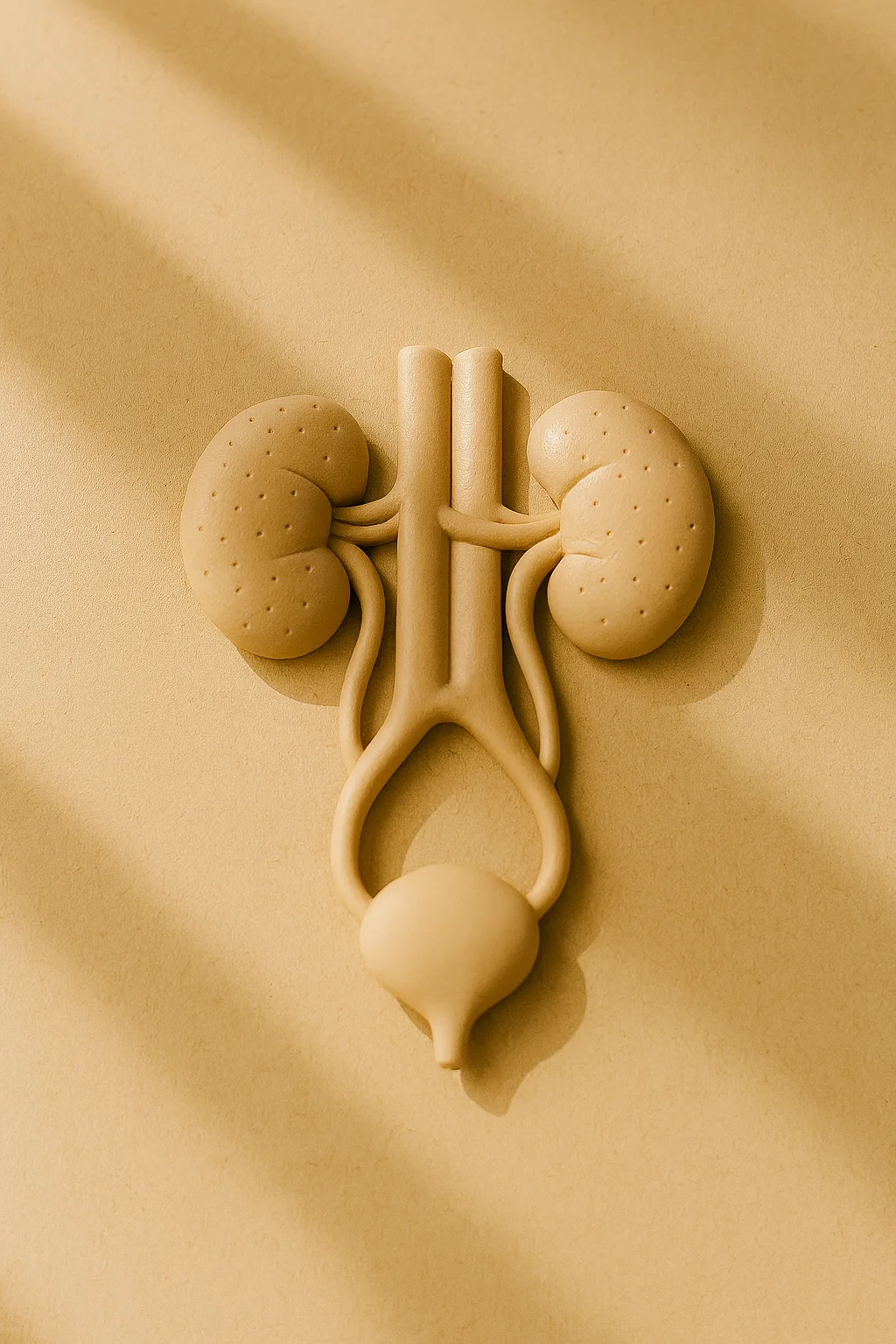
Your kidneys work quietly to keep your body in balance. This guide explains how they function, signs to watch, practical hydration and nutrition habits, and common tests—so you can have informed conversations and make daily choices that support long-term kidney health.
Table of contents
Quick facts
- Main job: Filter waste and excess fluid from blood, balance minerals, and help regulate blood pressure.
- Silent workers: Early kidney changes may have few symptoms—routine checks matter.
- Big levers: Hydration, blood pressure control, and thoughtful nutrition are day-to-day supports.
- Professional care: Test results and plans are individualized—always discuss changes with a clinician.
What kidneys do
Filtration and balance
- Waste removal: Urea, creatinine, and other byproducts are excreted in urine.
- Fluid balance: Adjusts water and electrolytes like sodium, potassium, and calcium.
- Acid–base: Helps maintain pH stability.
Hormonal roles
- Blood pressure: Renin–angiotensin–aldosterone system helps regulate BP.
- Red blood cells: Erythropoietin supports production in bone marrow.
- Vitamin D: Converts vitamin D to its active form for bone health.
Key idea: Many symptoms of kidney stress (fatigue, swelling, high BP) stem from these balancing roles.
Warning signs to take seriously
- Urination changes: Frequency shifts, foamy urine, blood in urine, or nighttime urination.
- Swelling: Puffiness around eyes, ankles, or hands from fluid retention.
- Fatigue and concentration: Reduced energy, brain fog, or sleep issues.
- Back/flank pain: Persistent pain on one side below the ribs (especially with fever or urinary changes).
- High blood pressure: Elevated readings, headaches, or dizziness.
- Nausea or metallic taste: Possible sign of rising waste levels; needs evaluation.
Important: Blood in urine, severe pain with fever, or rapidly worsening swelling warrants prompt professional assessment.
Hydration and fluids
- Steady intake: Sip water regularly; large, infrequent volumes are less helpful.
- Context matters: Heat, activity, and health conditions change needs—tailor with a clinician if you have kidney or heart disease.
- Urine color cue: Pale straw often suggests adequate hydration; consistently dark may mean you need more fluids.
- Limit excess sugar: Choose water or unsweetened options; high-sugar drinks add metabolic stress.
- Alcohol moderation: Excess intake can dehydrate and raise blood pressure.
Practical tip: Keep a filled, measured bottle at your desk to pace intake across the day.
Nutrition fundamentals
Core guidance
- Balanced plate: Emphasize vegetables, fruits, whole grains, lean proteins, and healthy fats.
- Sodium awareness: High sodium can raise blood pressure; check labels and favor fresh foods.
- Protein balance: Adequate—but not excessive—protein supports health; needs vary by activity and kidney function.
- Added sugars: Reduce to support metabolic and vascular health.
Special considerations
- Potassium/phosphorus: Intake targets depend on kidney function and labs; follow professional guidance.
- Processed foods: Often higher in sodium and phosphorus additives—limit when possible.
- Meal regularity: Consistent meals help stabilize energy and blood pressure.
Personalization: If lab values change, a registered dietitian can tailor protein and mineral targets for you.
Blood pressure and kidney health
- Two-way link: High BP can damage kidneys; kidney disease can raise BP.
- Home monitoring: Track readings at consistent times; bring logs to appointments.
- Lifestyle levers: Movement, sleep, stress reduction, and lower sodium support healthy ranges.
- Medication adherence: Take BP medications as prescribed; do not stop without medical guidance.
Setup tip: Sit quietly for 5 minutes before measuring; use a validated cuff sized for your arm.
Common tests and monitoring
- Blood tests: Creatinine and estimated glomerular filtration rate (eGFR) assess filtration.
- Urine tests: Albumin/creatinine ratio screens for protein leakage; urinalysis checks blood, infection, and other markers.
- Imaging: Ultrasound can evaluate kidney size, structure, and obstruction.
- Blood pressure: Routine readings guide prevention and treatment decisions.
Frequency: Testing cadence depends on risk factors (e.g., diabetes, hypertension, family history) and prior results.
Kidney stone prevention basics
- Fluids first: Aim for consistent hydration; urine should be pale most of the time.
- Citrate sources: Lemon/lime water can increase urinary citrate, which may help inhibit stone formation.
- Sodium moderation: Lower sodium reduces urinary calcium losses.
- Balanced calcium: Get dietary calcium with meals (unless told otherwise); overly low calcium can raise oxalate absorption.
- Oxalate awareness: Spinach, beets, nuts, and chocolate are higher; moderation may help if you’re prone to stones.
Personal history matters: Stone type determines specific advice—bring prior reports to visits.
Medications and supplements
- Pain relievers: Some over-the-counter options can affect kidneys—use as directed and discuss regular use with a clinician.
- Herbal products: Potency and purity vary; check interactions and kidney safety before use.
- Contrast dyes: Imaging contrast can stress kidneys in some cases—ensure providers know your kidney history.
- Drug doses: Doses may be adjusted based on eGFR; never change medications without guidance.
Alert: Sudden drop in urine output, swelling, or confusion after new medications requires prompt evaluation.
Everyday habits checklist
- Hydration: Keep water nearby and sip regularly.
- BP routine: Measure at home if advised; log readings.
- Food choices: Favor fresh, lower-sodium meals; mind portion sizes.
- Movement: Daily walks, strength, and flexibility support BP and metabolism.
- Sleep: Aim for consistent, sufficient rest.
- Follow-ups: Keep lab and exam appointments; bring questions and logs.
Sustainability tip: Tie habits to existing routines—hydrate after each email batch, walk after lunch, measure BP after breakfast.
FAQs
Is a high-protein diet bad for kidneys?
Needs vary. Many healthy people tolerate moderate protein, but those with reduced kidney function often require tailored targets. Discuss your labs and goals with a professional.
Can dehydration alone cause kidney problems?
Short bouts of mild dehydration are common; consistent under-hydration, heat stress, or illness can strain kidneys. Steady fluids and early care during illness help reduce risk.
What’s the difference between acute and chronic kidney issues?
Acute changes occur quickly (e.g., illness, dehydration, medication effects) and may be reversible. Chronic disease develops over time and needs long-term management.
Do I need supplements for kidney health?
Food-first approaches are generally preferred. Supplements should be individualized based on labs, medications, and health history—seek guidance before starting.