
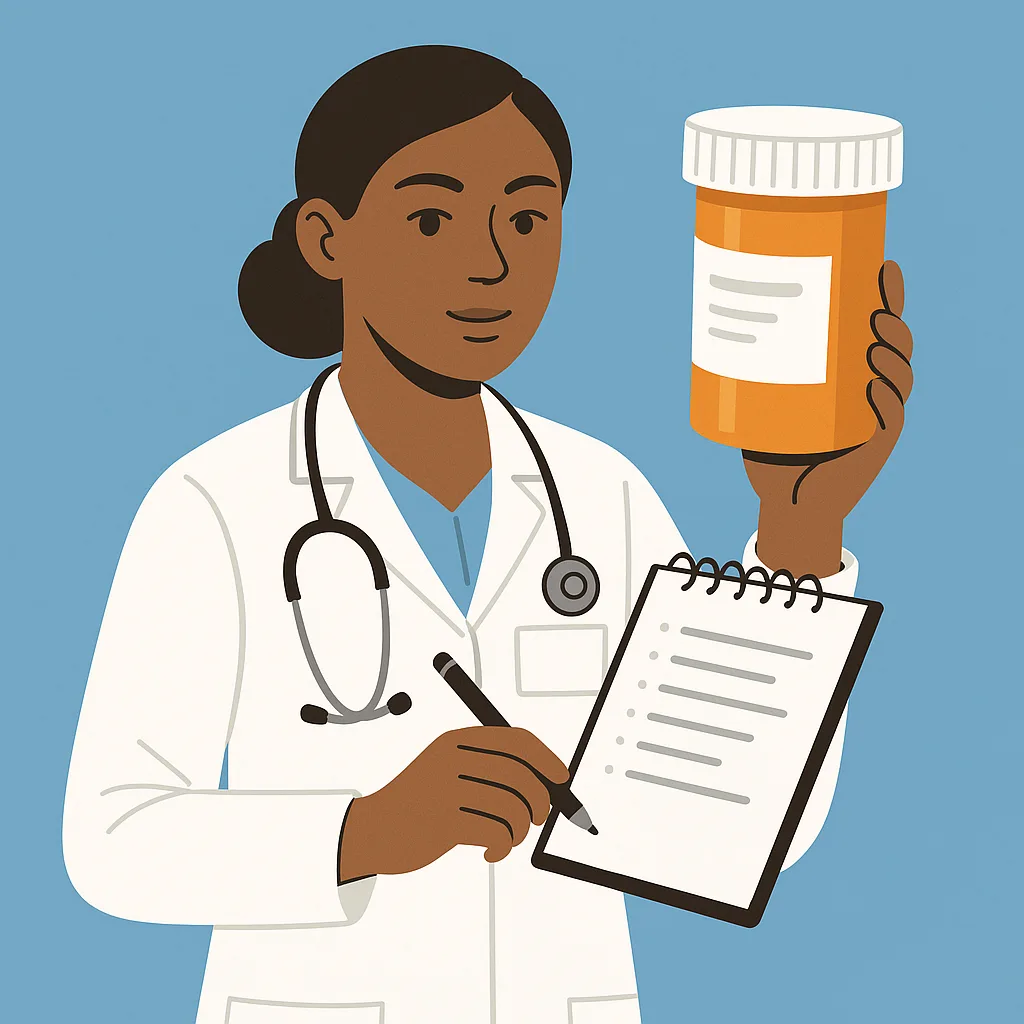
A practical, step-by-step guide to planning your path into pharmacy.
Introduction
Pharmacists are medication experts. They make sure that the right medicine, in the right dose, reaches the right patient safely. They explain how to take medications, watch for side effects and interactions, and work closely with doctors, nurses, and other health professionals.
If you are asking, “What should I do if I want to be a pharmacist?”, this guide will help you understand the role, choose the right subjects in school, plan your education path, prepare for pharmacy school and licensing exams, and explore different career options in pharmacy.
1. Understand What Pharmacists Really Do
Pharmacists work in far more places than just the corner drugstore. Their main responsibility is to ensure safe and effective use of medicines. Common tasks include:
- Reviewing prescriptions to check for correct dose, allergies, and drug interactions.
- Preparing and dispensing medications (tablets, liquids, injections, creams, etc.).
- Counseling patients on how and when to take their medicines.
- Advising doctors and nurses about the best medication choices for certain conditions.
- Monitoring treatment plans and lab results for safety and effectiveness.
- Managing pharmacy inventory and ensuring medicines are stored correctly.
- Providing vaccines and basic health screenings in some settings.
Pharmacists must be detail-oriented and careful, because medication mistakes can seriously harm patients.
2. Check Your Motivation and Personal Qualities
Pharmacy is a health profession, but it is also deeply connected to science and problem-solving. Ask yourself:
- Do I enjoy chemistry, biology, and math?
- Am I patient and detail-oriented when checking small numbers and labels?
- Do I like talking with people and explaining things clearly?
- Can I stay focused for long periods, even when the environment is busy?
- Am I comfortable taking responsibility for safety-critical decisions?
These qualities can develop over time, but it helps if you already feel positive about science and working with the public.
3. Focus on Helpful School Subjects
Whether you are in high school or early college, building a strong foundation in science and math will make pharmacy studies much easier.
Key Subjects to Study
- Chemistry: Essential. Medications are chemicals, and you will study how they are made and how they behave.
- Biology: Important for understanding the human body, diseases, and how drugs work inside the body.
- Math: Needed for dose calculations, statistics, and pharmacokinetics (how the body absorbs and removes drugs).
- Physics: Useful for topics like fluid dynamics, imaging, and some drug delivery systems.
- Language / English: Critical for reading scientific information and counseling patients clearly.
4. Get Early Experience in Health and Pharmacy
Real-world experience will help you confirm your interest in pharmacy and make your future applications stronger.
Volunteering
Volunteer at hospitals, clinics, or community health events. Even if you are not working directly with medicines, you will learn how healthcare teams function.
- Shows your commitment to helping others.
- Helps you understand patient needs and challenges.
Job in a Pharmacy (If Allowed)
In some places you can work as a pharmacy assistant, cashier, or technician-in-training before or during your studies.
- Gives you first-hand experience with prescriptions and patient questions.
- Helps you learn drug names, forms, and common conditions.
Shadowing Pharmacists
Ask to observe pharmacists in different settings (community, hospital, industry, research). You will see the variety of tasks and work styles.
- Great for understanding what the job is really like.
- Can lead to mentorship and strong reference letters later.
Science and Health Clubs
Join science clubs, health organizations, or chemistry competitions to keep your interest in science active and meet others with similar goals.
5. Learn About Different Types of Pharmacists
Pharmacists are not all the same. Understanding the main types will help you plan your path and choose electives later.
Community Pharmacist
- Works in retail or community pharmacies.
- Dispenses prescriptions and counsels patients on medications.
- Often provides vaccines, health screenings, and advice on minor illnesses.
Hospital Pharmacist
- Works in hospitals or clinics as part of the medical team.
- Reviews complex medication regimens, IV therapies, and high-risk drugs.
- Attends medical rounds, advises doctors, and helps set drug policies.
Clinical Pharmacist / Specialist
- Focuses on specific areas such as cardiology, oncology, infectious disease, or ICU.
- Works closely with doctors to optimize medications for certain patient groups.
- Often requires advanced training or residency.
Industrial / Pharmaceutical Industry Pharmacist
- Works in drug development, manufacturing, quality control, or regulatory affairs.
- Helps design clinical trials and ensures medicines meet safety standards.
Academic and Research Pharmacist
- Teaches pharmacy students in universities.
- Conducts research on new drugs, dosage forms, or patient outcomes.
Public Health / Government Pharmacist
- Works on health policy, drug safety monitoring, or public vaccination programs.
- May work in regulatory agencies or public health departments.
6. Plan Your Education Path
Pharmacy education requirements differ from country to country, but most paths include:
- Several years of university-level study in science and pharmacy-related courses.
- A professional pharmacy degree (such as a Bachelor of Pharmacy or Doctor of Pharmacy).
- Supervised practical training in pharmacies or hospitals.
Pre-Pharmacy or Undergraduate Studies
In some systems, you complete 2–4 years of pre-pharmacy or science courses before entering a professional pharmacy program. Common majors include:
- Biology, chemistry, or biochemistry.
- Pharmaceutical sciences or pre-pharmacy.
- Other majors as long as you complete required science courses.
Professional Pharmacy Degree
The main pharmacy degree (for example, PharmD or BPharm) typically takes several more years and covers:
- Pharmacology (how drugs work).
- Pharmaceutics (how drugs are formulated and delivered).
- Pharmacy law and ethics.
- Clinical pharmacy and therapeutics.
- Communication and patient counseling skills.
- Practical placements in community and hospital pharmacies.
7. Succeeding in Pharmacy School
Pharmacy school can be intense, with heavy course loads and strict exams. To succeed:
- Stay organized with a calendar for classes, labs, exams, and assignments.
- Review lecture notes regularly instead of waiting for exam week.
- Use flashcards and practice problems for drug names, mechanisms, and interactions.
- Participate actively in labs and case discussions.
- Ask questions early when you don’t understand a concept.
- Take care of your health: sleep, nutrition, exercise, and breaks.
8. Licensing Exams and Registration
After you complete your pharmacy degree, you usually must pass one or more licensing exams and complete a set number of supervised practice hours before you can work as a pharmacist.
To prepare:
- Use official review guides and past exam questions if they are available.
- Focus on clinical pharmacy, calculations, law, and common disease treatments.
- Practice timed tests to build speed and confidence.
Once you pass the exams and meet all requirements, you can register with the pharmacy board or council and legally practice as a pharmacist.
9. Finding Your First Pharmacy Job
As a new pharmacist, you might start in community, hospital, or another setting depending on local opportunities and your interests.
- Prepare a clear CV/resume: Highlight internships, placements, research, and communication skills.
- Network: Connect with preceptors, professors, and classmates. Many jobs come from contacts.
- Be open to different shifts: Pharmacists often work evenings, weekends, and holidays, especially in hospitals and 24-hour pharmacies.
- Ask about mentorship: A supportive senior pharmacist can make your first year much easier.
10. Specialization and Career Growth
After gaining experience, you can advance your career through:
- Residency or postgraduate training in clinical specialties.
- Master’s or doctoral degrees in pharmaceutical sciences, public health, or business.
- Certifications in areas like oncology, critical care, infectious disease, or diabetes care (where available).
- Management roles such as pharmacy manager, director, or regional supervisor.
- Moves into research, industry, regulation, or academia.
11. Advantages and Challenges of Being a Pharmacist
Advantages
- Strong demand for medication experts in many regions.
- Opportunities to improve patient safety and outcomes every day.
- Variety of work settings and specializations.
- Often stable income and clear professional structure.
Challenges
- High responsibility and need for constant accuracy.
- Standing for long periods and working in busy environments.
- Pressure to work quickly while avoiding errors.
- Need to keep up with new medications, guidelines, and technologies.
Step-by-Step Summary
- Learn what pharmacists do and decide why this career appeals to you.
- Strengthen your skills in chemistry, biology, math, and communication.
- Gain experience through volunteering, pharmacy jobs, or shadowing.
- Choose a suitable pre-pharmacy or science path and complete required courses.
- Apply to an accredited pharmacy program and complete your professional degree.
- Work hard in pharmacy school, especially in pharmacology, therapeutics, and calculations.
- Finish your practical training and pass licensing exams.
- Register as a pharmacist and find your first position.
- Explore specialties, additional training, and long-term career options.
Conclusion
Becoming a pharmacist combines science, healthcare, and communication in a single career. The journey requires dedication, careful study, and a strong sense of responsibility, but it also offers the chance to protect patients and improve their lives every day.
Start from where you are now: focus on your science classes, seek out healthcare experience, and research pharmacy programs and requirements in your region. Step by step, you can move closer to your goal of becoming a pharmacist and serving your community through safe and effective use of medicines.