
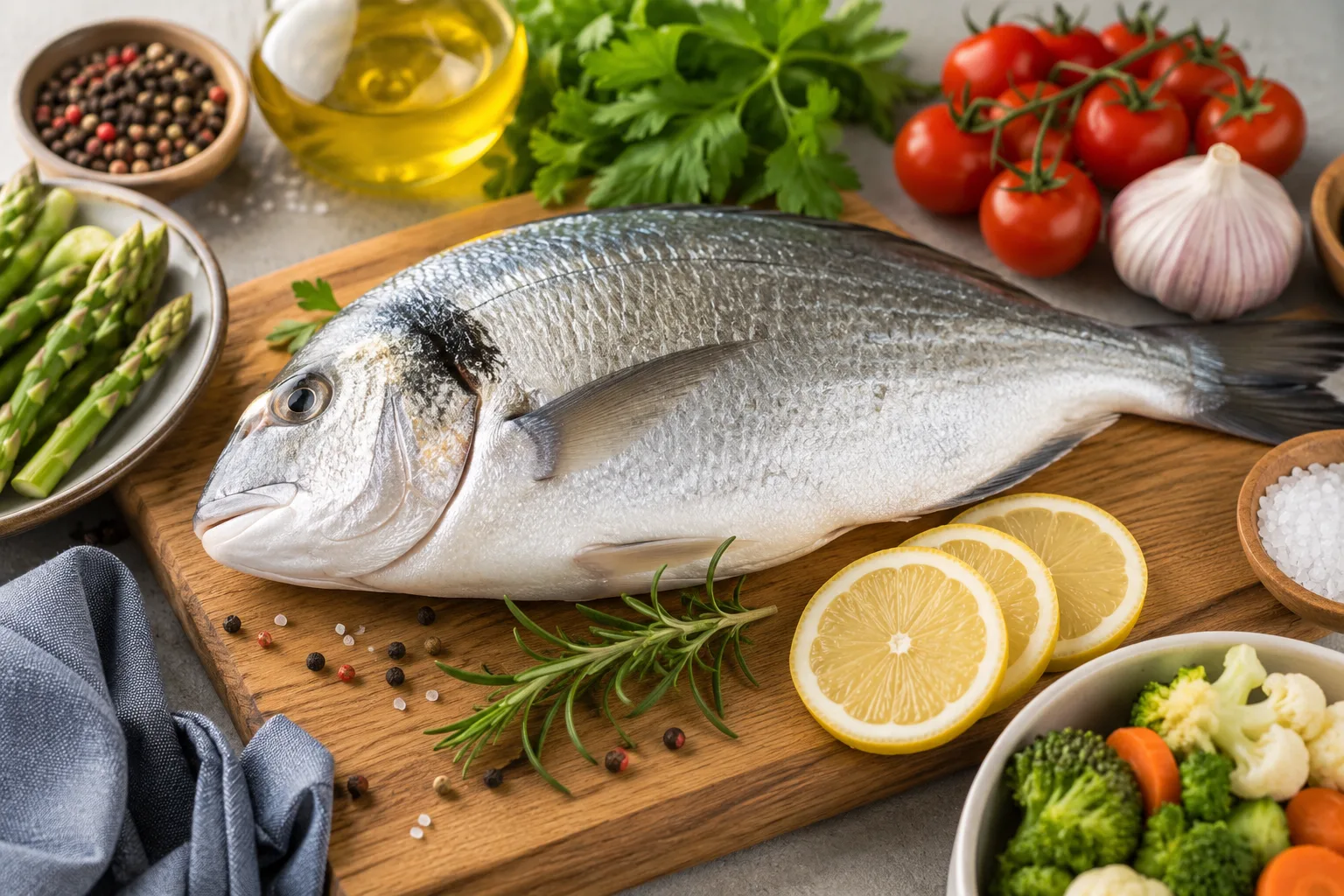
Fish is one of the healthiest foods you can add to your diet. It is rich in protein, vitamins, minerals, and healthy fats that support the body in many ways. Eating fish regularly can help improve heart health, brain function, muscle strength, and overall wellness.
1. Fish Is a Great Source of Protein
Protein is important for building and repairing muscles, skin, bones, and body tissues. Fish provides high-quality protein that is easy for the body to use. This makes fish a good food choice for adults, children, active workers, and older people.
2. Fish Supports Heart Health
Many types of fish contain omega-3 fatty acids, which are healthy fats that support the heart. Omega-3 may help reduce inflammation, support healthy blood flow, and help maintain good cholesterol balance.
Fatty fish such as salmon, sardines, tuna, mackerel, and trout are especially rich in omega-3.
3. Fish Is Good for the Brain
The brain needs healthy fats to work well. Omega-3 fatty acids found in fish can support memory, focus, and learning. Eating fish may also help support mood and mental health.
4. Fish Helps Build Strong Muscles
Because fish is rich in protein, it helps the body maintain and build muscle. This is helpful for people who work physically, exercise, walk a lot, or want to stay strong as they get older.
5. Fish Contains Important Vitamins and Minerals
Fish provides many nutrients the body needs, including vitamin D, vitamin B12, iodine, selenium, potassium, and magnesium. These nutrients support energy, bones, nerves, metabolism, and the immune system.
6. Fish Can Support Healthy Bones
Some fish, especially fish eaten with soft bones like sardines, can provide calcium and vitamin D. These nutrients are important for strong bones and teeth.
7. Fish May Help Reduce Inflammation
Inflammation in the body can be connected to pain, tiredness, and some long-term health problems. Omega-3 fats in fish may help the body manage inflammation in a healthier way.
8. Fish Is Usually Easy to Digest
Compared with some heavier meats, fish is often lighter and easier to digest. This makes it a good meal option for people who want nutritious food without feeling too full or heavy afterward.
9. Fish Can Help With Weight Management
Fish is high in protein and can help you feel full longer. When cooked in a healthy way, such as grilled, baked, steamed, or boiled, fish can be part of a balanced diet for maintaining a healthy weight.
10. Healthy Ways to Eat Fish
The way fish is cooked matters. For the best health benefits, try to avoid deep-frying too often. Better cooking methods include baking, grilling, steaming, boiling, or cooking fish in soup.
- Eat fish with rice, potatoes, vegetables, or salad.
- Add lemon, garlic, herbs, or spices for flavor.
- Choose fresh, frozen, or canned fish with low added salt.
- Try sardines, salmon, tuna, tilapia, mackerel, trout, or cod.
How Often Should You Eat Fish?
Many people can benefit from eating fish about two times per week. It is good to choose a variety of fish instead of eating only one type all the time.
Important Safety Tips
Fish is healthy, but it is also important to choose wisely. Some large fish may contain higher levels of mercury. It is better to limit fish such as shark, swordfish, king mackerel, and bigeye tuna, especially for pregnant women and young children.
Safer choices often include salmon, sardines, trout, tilapia, cod, catfish, and canned light tuna.
Conclusion
Eating fish is a simple and healthy way to support the body. Fish gives you protein, omega-3 fats, vitamins, and minerals that help the heart, brain, muscles, bones, and immune system. When prepared in a healthy way, fish can be a delicious and powerful part of a balanced lifestyle.