
Careers
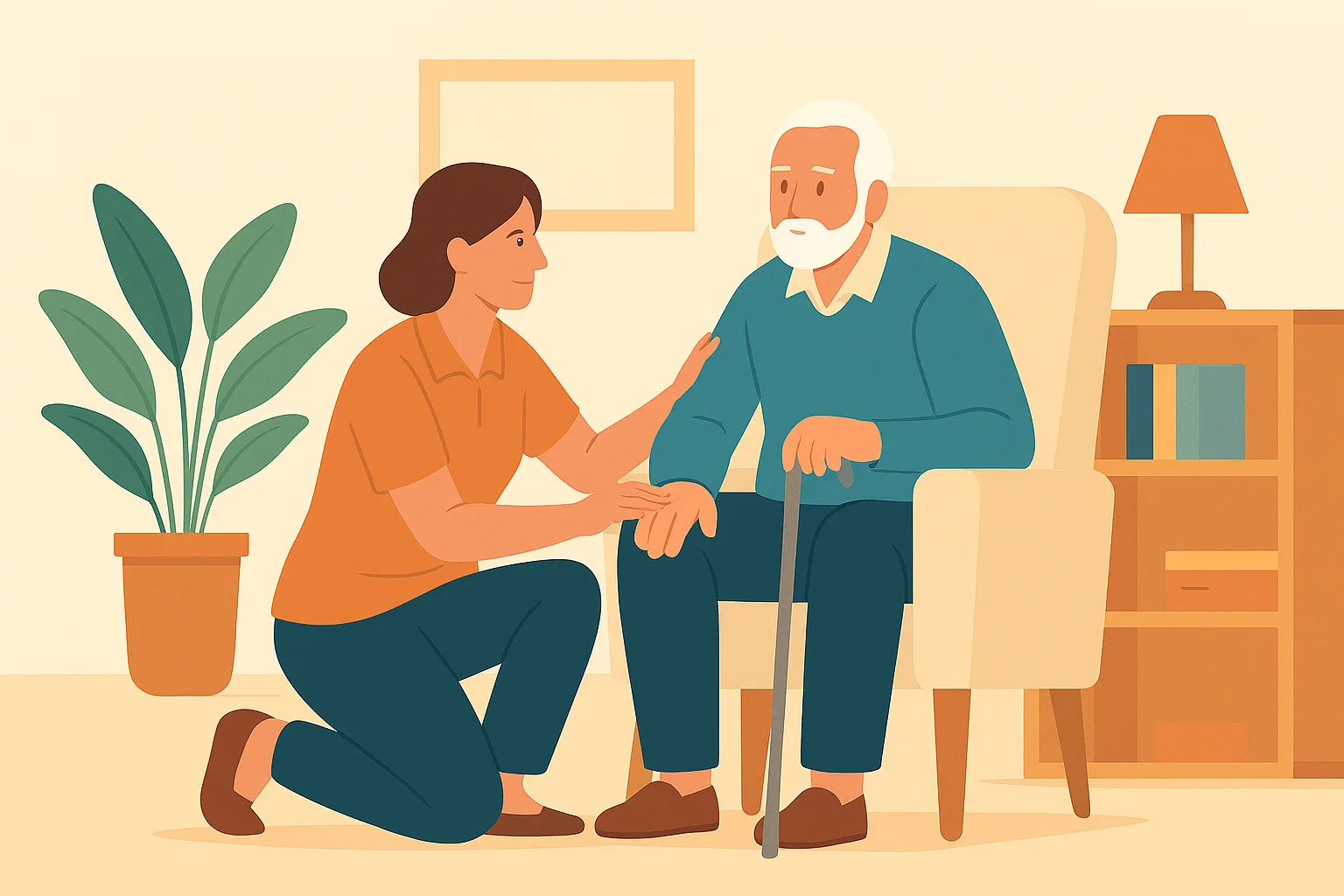
Caregivers provide essential support to individuals who need help with daily living, medical conditions, or emotional well-being. This guide breaks down caregiver roles, required skills, training paths, and how to grow a career in caregiving.
Types of Caregiver Roles
- Home Caregiver: Assists clients in their homes with bathing, dressing, meals, and companionship.
- Agency Caregiver: Works for a licensed care agency, often with multiple clients and shift-based schedules.
- Live-In Caregiver: Provides 24/7 support, often living in the client’s home with scheduled breaks.
- Hospice Caregiver: Supports terminally ill patients with comfort care, emotional support, and family coordination.
- Special Needs Caregiver: Assists individuals with developmental or physical disabilities in daily routines and therapy support.
Core Responsibilities
- Personal hygiene assistance (bathing, grooming, toileting)
- Meal preparation and feeding support
- Medication reminders and basic health monitoring
- Mobility assistance and fall prevention
- Companionship and emotional support
- Transportation to appointments or errands
- Light housekeeping and laundry
- Documentation and communication with families or supervisors
Skills and Traits That Matter
- Empathy and patience: Essential for building trust and providing comfort.
- Communication: Clear updates to families, clients, and healthcare providers.
- Observation: Noticing changes in health, mood, or behavior.
- Time management: Balancing tasks across multiple clients or shifts.
- Physical stamina: Assisting with lifting, walking, and long hours.
Tip: Many employers value soft skills and reliability even more than formal experience.
Training and Certifications
- CPR and First Aid: Often required for all caregiver roles.
- Certified Nursing Assistant (CNA): Formal training for medical-related caregiving tasks.
- Home Health Aide (HHA): Certification for home-based care with basic medical support.
- State-specific caregiver training: Some states require formal coursework or background checks.
Resources: Community colleges, Red Cross, online caregiver academies, and employer-sponsored programs.
Career Growth and Pathways
- Entry-level: Companion care, personal care aide, respite support
- Mid-level: CNA, HHA, hospice aide, agency team lead
- Advanced: Care coordinator, case manager, nursing school, geriatric specialist
Tip: Many caregivers transition into nursing, social work, or healthcare administration.
Hiring Tips
- Highlight compassion, dependability, and client outcomes in your resume.
- Include certifications, languages spoken, and availability (live-in, overnight, weekends).
- Prepare for scenario-based interviews (e.g., handling a fall, managing dementia behaviors).
- Apply through care agencies, senior centers, hospice networks, or platforms like Care.com and Indeed.
FAQs
Do I need a license to be a caregiver?
Not always. Companion care may not require certification, but medical-related tasks often do. Check your state’s requirements.
Can I be a caregiver without experience?
Yes. Many agencies offer training and hire based on attitude and reliability. Volunteering or caring for a family member also counts.
What’s the difference between CNA and caregiver?
A CNA has formal medical training and can perform clinical tasks. A caregiver may focus more on daily living and emotional support.